Our hearty and warming Ginger Turkey and Wild Rice Soup may ease nausea or vomiting from cancer treatment. Find more details about this soup (and other recipes) in our list below.
Cancer-related side effects can make it hard to stay nourished. Foods may taste different, feel harder to eat, or seem unappealing. The good news: Small, practical food choices may help ease some side effects and make eating easier during cancer treatment.
In this guide, find healthy recipes and practical tips to cope with 7 common cancer-related side effects:
appetite loss
fatigue
nausea
diarrhea
constipation
dry mouth
weight loss
Please note: Always let your cancer care team know if you are having trouble eating or experiencing side effects. They can help identify the best ways to manage symptoms and let you know if there are any foods you should avoid during treatment.
7 Cancer-related Side Effects & Healthy Recipes to Ease Symptoms
Start with the side effect affecting you most right now. Or, scan the full list for recipe ideas and tips that feel most useful to you.
1. No Appetite
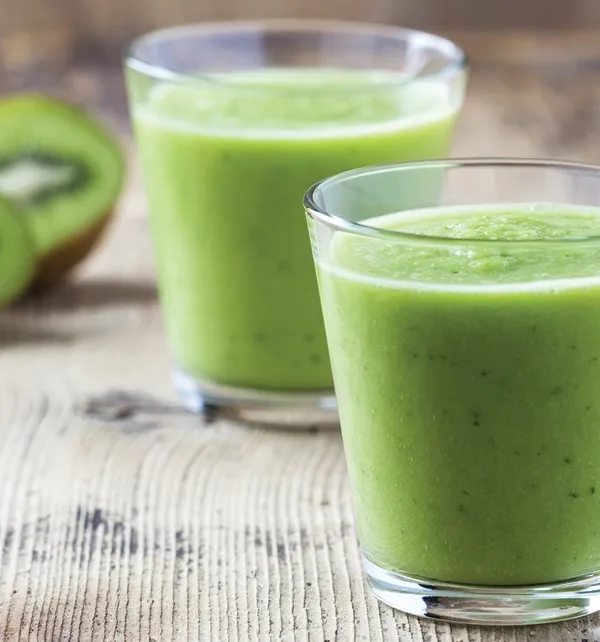
Don't let the green color turn you away. Our Kiwi Green Smoothie makes a light and tasty treat that can be sipped slowly when experiencing a reduced appetite.
Loss of appetite can be a side effect of treatment or the cancer itself. It can be challenging to maintain a routine eating schedule if you don’t feel hungry or feel full too quickly after eating.
To cope with appetite loss, try eating small portions of food throughout the day. Stock up on healthy snacks and prepared foods that your healthcare provider approves, and have them on hand. Premade smoothies, for example, can be easy to grab when you do feel up to eating something — even if it’s just a few sips.
Whip up a batch of our Kiwi Green Smoothie to have ready to go in your fridge. Key ingredients in this refreshing recipe include Greek yogurt for a dose of protein, and kale and kiwi fruit for a Vitamin C boost. Cold foods like smoothies are less likely to have strong tastes and smells. And, because smoothies can be sipped slowly, they may also help manage feelings of fullness.
When I cared for my mom, I would play crooner music and start sautéing something aromatic. Over time, she associated those sounds with comfort and food. So, when she hears Frank Sinatra singing "Fly Me to the Moon," suddenly she’s thinking, "Oh, it’s almost time to eat."
Feeling tired, weary, exhausted, or worn out? Fatigue is a common problem for people coping with cancer. It may be a side effect of your treatment or the cancer itself.
Making sure your body is hydrated and nourished can help you feel more energized. Start your day off with our Almond Banana Wheatberry Cereal to refuel your body with nutrients. Wheatberries are an ancient grain, high in fiber and protein, and have a nutty, chewy texture.
Need extra time to rest throughout the week? Make a full pot of Almond Banana Wheatberry Cereal for the week ahead and keep in your refrigerator. Then you can enjoy a nourishing bowl whenever you need to quickly replenish your body – morning, day, or night.
Small Meals for Cancer Patients
When side effects make it hard to eat, snacking on small meals & healthy bites during the day, like our Fruit and Nut Bars, may be more realistic than eating bigger meals.
If you are feeling sick to your stomach, it may feel impossible to eat anything. Did you know that an empty stomach can make nausea worse? So, eating a small amount of food every few hours can help minimize it.
For a soothing antidote to nausea, try our Ginger Turkey and Wild Rice Soup recipe. One of the key ingredients is ginger root, which has been shown to help relieve nausea. Broth-based soups like this one can also provide essential fluids and electrolytes.
Diarrhea can result from some chemotherapy drugs, certain surgical procedures, and radiation treatment to the pelvic area. The apples and oats in our Apple Cinnamon Muffin recipe provide soluble fiber, which can help minimize diarrhea. The best part? These muffins are made with pure maple syrup, giving them a touch of natural sweetness. You can also substitute peaches or berries for the apples in this recipe.
Note: If you are experiencing more than 3 episodes of diarrhea in one day, contact your healthcare team. Diarrhea can lead to dehydration or changes in the levels of potassium and sodium in your body. Changes in these levels can be dangerous if not corrected.
5. Constipation
Lentils are a good source of iron, zinc, and B vitamins, among other important minerals. The legume can also help with constipation. Our Colorful Lentil Soup is bursting with color and flavor.
Another common side effect of treatment is constipation. This could happen for different reasons. Eating a low-fiber diet, not drinking enough fluid, and not being active are common culprits. Surgery, pain medications, and some chemotherapy drugs can also cause changes in normal bowel function.
Finding ways to incorporate gentle physical activity into your day can help. In addition, fiber-rich meals like our Colorful Lentil Soup can promote regular bowel movements. Easy to make in one pot, this recipe combines veggies like celery, carrots, tomatoes, and zucchini into a hearty, nourishing soup.
Need Nutrition Help?
Savor Health is a digital health company that provides precision nutrition interventions to manage cancer and other complex conditions. Their Intelligent Nutrition Assistant, Ina®, provides free, 24/7, unlimited, HIPAA-compliant, and secure nutrition services, all from your phone.
6. Dry Mouth
Dry mouth is a common side effect of cancer treatment, namely chemotherapy and radiation therapy. These treatments can reduce the saliva in your mouth. If you are experiencing a dry mouth, you may notice that it’s harder to chew and swallow your food.
Find relief from dry mouth with our cool and soothing Cranberry Coconut Popsicle. This refreshing, 3-ingredient recipe is ideal for anyone experiencing dry mouth, difficulty swallowing, or mouth sores from radiation treatment. Unlike most popsicles, this frozen treat is nutritious too. It has fiber, healthy fat, and protein.
Cope With Taste & Smell Changes
During cancer treatment, some foods might taste like metal or chalk or have no taste at all. This can impact your desire to eat.
This creamy, flavorful Cheesy Chicken Millet Bake is perfect for patients who need to add calories to their diet.
Are you finding that it's hard to gain or keep on weight? It may be a side effect of your cancer treatment or due to appetite loss, if you haven’t felt like eating.
If you are coping with minor weight loss, eating healthy, high-calorie foods may help you gain some weight. Our Cheesy Chicken Millet Bake is high in calories, protein, and fiber. The leeks and cheese give this recipe a rich flavor and creamy texture. If you love traditional chicken and rice casseroles, this recipe is one to try.
Have You Heard About Cancer Cachexia?
Drastic and unintended weight loss may be due to a condition that is caused by the cancer itself. Doctors refer to this condition as cachexia [kuh-kek-see-uh]. If you are experiencing significant weight loss as you navigate cancer, speak with your healthcare team.
Getting enough nutrition during treatment can help support your strength, energy, immune system, and overall well-being. It can also help you maintain a healthy weight and muscle mass, which may be especially important when treatment side effects make eating challenging.
If you're experiencing ongoing eating challenges, it may be helpful to meet with a registered oncology dietitian. Oncology dietitians can share recommendations to help you meet your nutritional requirements and keep your immune system strong. Seeking professional support to develop a healthy eating plan can boost your wellness during treatment and beyond.
Different treatments and different kinds of cancer are going to affect your ability to eat in many different ways. It is important to try to stay nourished as much as possible.
CSC podcast interview, “Encore: Eating Well and Staying Active”
Alice BenderRegistered dietitian, American Institute for Cancer Research


 Read Chef Ryan's 8 Tips To Boost Appetite During Chemo