
Chef Ryan’s 8 Tips To Make Food Taste Better During Chemo

Chef Ryan, pictured in 2020.
Since 2015 Chef Ryan Callahan has focused on teaching everyone in the realm of cancer how to understand and adjust for the taste and flavor perception changes that occur during and after chemotherapy treatments.
If chemo is making it hard for you or a loved one to eat well, Chef Ryan’s cooking strategies may help you.
Cancer is exhausting. Losing the joy of food on top of everything else can feel cruel. Food is memory. It’s comfort. It’s identity. When taste changes, it can feel like you’ve lost part of yourself.
Chef Ryan Callahan knows a thing or two about cooking for people going through chemotherapy. The award-winning cookbook author and chef stepped into the role of cancer caregiver when his mother received a breast cancer diagnosis. He provided loving support along the way, including throughout her post-surgery chemotherapy treatment.
“As I had seen before with both of my grandfathers and my best friend Tommy, all of whom had cancer and underwent chemotherapy, [my mother] too began to find that all food and beverages began to taste metallic,” Chef Ryan writes on his website Cooking for Chemo.
He worried that his mother might lose her appetite to eat, as his other loved ones had due to cancer.
“I swore that I would do whatever it took to make food taste good for her again," Chef Ryan writes. “I cooked every meal for my mom and stayed home every day as her cancer caregiver, doing every task from cleaning the house to washing her clothes and everything in between.”
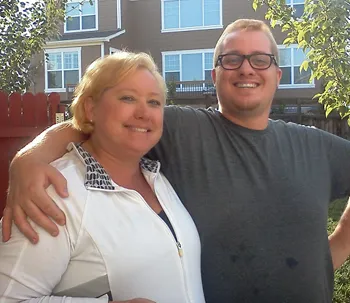
After his mother’s second round of chemotherapy, Chef Ryan had an Aha! moment.
“I was able to finally figure out the techniques that would allow my mom to eat [during] cancer treatment. It was so simple too. It was just like one of those moments where a light bulb goes on in your head, illuminating an idea that aligns all your thoughts and knowledge into one simple concept that you realize you had known the whole time.”
We had to know more. So, we chatted with the chef about key techniques he uncovered. Here are his starter tips to boost appetite and flavor when going through chemo:
1. What is the most important thing to know when cooking for people going through chemo?
Chef Ryan: Everyone is different. That’s not a cliché. That’s the foundation. I am not cooking for what I taste. I’m cooking for what they taste right now. And what they taste today may not be what they taste tomorrow.
Chemo doesn’t change the food. It changes the perception of the food. So, I don’t assume. I taste with them. I adjust in small increments. I watch their reaction. I ask questions. I treat it like a moving target — because it is.
If they’re not eating, nothing else matters. So, my job is to make food edible first; perfecting comes later.
2. How does chemotherapy impact taste perception, and why does it matter?
Chef Ryan: Chemo throws the senses out of alignment.
Taste changes. Smell changes. Texture sensitivity changes. Even memory changes. Chemo affects your entire body. Something that used to bring comfort can suddenly feel, smell, and taste wrong. A favorite dish might taste metallic. Or flat. Or bitter.
That mismatch is frustrating. It’s disorienting. It kills appetite. And appetite matters. When someone stops eating, strength drops. When strength drops, everything gets harder — physically and emotionally.
So, this isn’t about gourmet cooking. It’s about preserving strength. It’s about preventing starvation. It’s about survival.
3. You call herbs and spices “the nose of your food.” How are they helpful?
Chef Ryan: Flavor isn’t just what happens on the tongue. Most flavor happens in the nose.
Herbs and spices give character. They create aroma. They add the depth that salt and sugar alone can’t give. Herbs and spices also help you build an appetite from a distance. It’s the first sense that tells you that food is cooking.
But I go slow.
Potency matters. Freshness matters. Some spices can trigger nausea in certain people. So, I under-season first. I taste. I adjust. I work with the person to see what spices and herbs build appetite, and which ones diminish appetite. I use the ones that work, not the ones that don’t.
I’m not trying to overpower the food. I’m trying to highlight what’s already there. Great cooking doesn’t mask ingredients — it celebrates them.
4. Not all sugar is bad. What are healthy sources, and how can they help?
Chef Ryan: Sweet is a balancer. I use things like: Fruit. Honey. Maple syrup. Natural sweetness from vegetables. Even dairy has natural sugars.
Sweet rounds out sour. It softens bitterness. It calms sharp edges. It activates pleasure centers in the brain.
Sugar isn’t necessarily unhealthy. Over-consumption is. When I cook at home, I’m not dumping a cup of sugar into everything. I’m using small, intentional amounts to create balance. Maybe one or two tablespoons in a whole pot of sauce. Sweet is the final adjustment knob. Used correctly, it brings everything together.
When I cared for my mom, I would play crooner music and start sautéing something aromatic. Over time, she associated those sounds with comfort and food. So, when she hears Frank Sinatra singing "Fly Me to the Moon," suddenly she’s thinking, "Oh, it’s almost time to eat."
5. What are cooking strategies to cope with common eating challenges during chemo?
If everything tastes bland:
Chef Ryan: I build flavor step by step.
- Salt first — it amplifies everything else
- Then savory for fullness
- Then a touch of spicy for warmth
- Then sour to lighten
- Then sweet to balance
Small adjustments. Taste. Adjust again. It’s not guesswork. It’s controlled balance.
If everything tastes metallic or bitter:
Chef Ryan: Metallic taste is brutal. Sour helps: Vinegar. Lemon. Pickle brine. A little acid cleans the palate and cuts through metallic perception.
Then — if needed — I add a little sweetness to round out the acidity. Citrus fruits have sour and sugar together. For example, lemons, limes, grapefruits. Anything you’d label as “tart.”
It’s a dance between sour and sweet. That balance between sour and sweet is called palate cleansing.
If the mouth is dry:
Chef Ryan: Texture and hydration become everything. I use:
- sauces
- soups
- smoothies
- yogurt
- soft grains
- healthy fats and fluids for lubrication
I avoid:
- dry, abrasive foods
- extreme temperatures
If chewing hurts, I change the texture. I don’t force the food. Make it softer; cook it in flavorful liquid.
If sour or sweet flavors aren’t appealing:
Chef Ryan: I lean into savory. Broths. Mushrooms. Gentle seasoning. Soft textures. Sometimes neutral and warm feels safest. And that’s okay.
If experiencing nausea:
Chef Ryan: Smell is powerful — sometimes too powerful. Strong, pungent aromas can trigger nausea fast. So, I reduce intensity. I serve food slightly cooler. I avoid aggressive spices and spicy if they’re triggering.
Sometimes simple [food] wins. Rice. Broth. Bread. Yogurt.
If experiencing loss of appetite:
Chef Ryan: Appetite responds to stimulation. A little sour can increase salivation. A touch of spice can create warmth. Fresh herbs add aroma. Bright color builds anticipation.
Sometimes a light dish works better than a heavy one. Sometimes just a few bites are a victory.
I focus on progress — not perfection. I also use association intentionally.
When I cared for my mom, I would play crooner music and start sautéing something aromatic. Over time, she associated those sounds with comfort and food. So, when she hears Frank Sinatra singing “Fly Me to the Moon,” suddenly she’s thinking, “Oh, it’s almost time to eat.”
Appetite can be re-trained.
Editor’s Note: Drastic and unintended weight loss may be due to a condition called cancer cachexia. People with cancer cachexia may have little or no desire to eat. It may also be hard to gain weight. Understand cancer cachexia signs and symptoms.
6. What are common triggers for appetite loss, and what are some replacement foods that can help?
Chef Ryan: Heavy, greasy foods can feel overwhelming. Overly pungent spices can be off-putting. Bitter foods can dominate. So, I adjust. I lighten dishes. I balance flavors. I use sour to reduce weight. I avoid overwhelming salt if sensitivity is high.
If one flavor receptor is off, the whole system feels off. So, I identify the root issue and correct it there. Remember to work through seasoning order to help find any issues. Salty, savory, spicy, sour, and sweet. And also, the aromatics.
7. Why identify preferences? How do patients become taste detectives?
Chef Ryan: Because taste preferences shift. What worked last week might not work today. So, I encourage experimentation — in small, controlled ways.
Taste the five basic flavors individually. (Salty, Savory, Spicy, Sour, Sweet) Notice how they feel. Notice which one feels overwhelming. Notice which one feels muted.
Keep notes. When you understand which flavor is out of balance, you stop blindly seasoning and start intentionally correcting. That’s empowering.
8. Is there anything else you would like to share?
Chef Ryan: Cancer is exhausting. Losing the joy of food on top of everything else can feel cruel. Food is memory. It’s comfort. It’s identity. When taste changes, it can feel like you’ve lost part of yourself.
But flavor can be rebuilt. Not exactly the way it was — but in a way that works right now, and that’s okay. Cooking becomes a weapon. It becomes care. It becomes love expressed practically.
Nobody beats cancer alone. And sometimes the most powerful thing you can do for someone is help them take the next bite.
Discover more “cooking for chemo” tips and techniques from Chef Ryan.
About Chef Ryan Callahan
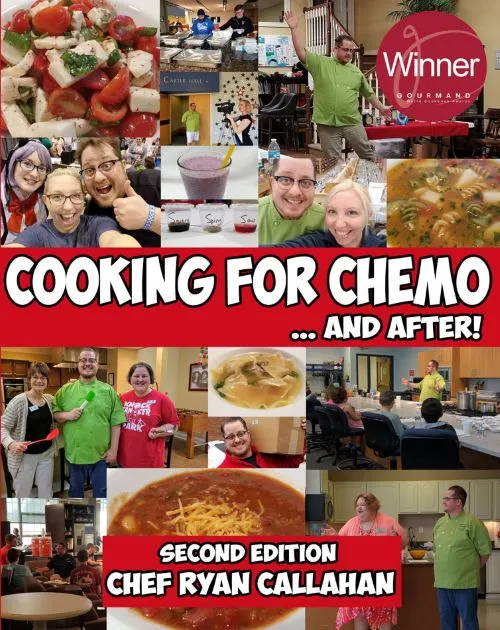
Chef Ryan is a 2-time Gourmand World Cookbook award-winning author and chef. His books include “Chef Ryan's How-to-Cook Cookbook” (Most Innovative Cookbook USA), “Cooking for Chemo ...and After!” (Best Health and Nutrition USA), and “Cooking for Kids with Cancer.” He has over 15 years of hands-on culinary experience in the kitchen and front of house. Learn more about Chef Ryan.
Visit Our Virtual Kitchen
Explore healthy recipes and cooking videos specifically created to support the nutritional needs of people impacted by cancer.
Join the Conversation
Share tips with others like you on our Nutrition & Wellness discussion forum for people impacted by cancer.
Discover More Resources
Find more information to help you navigate your concerns about diet & nutrition after a cancer diagnosis.