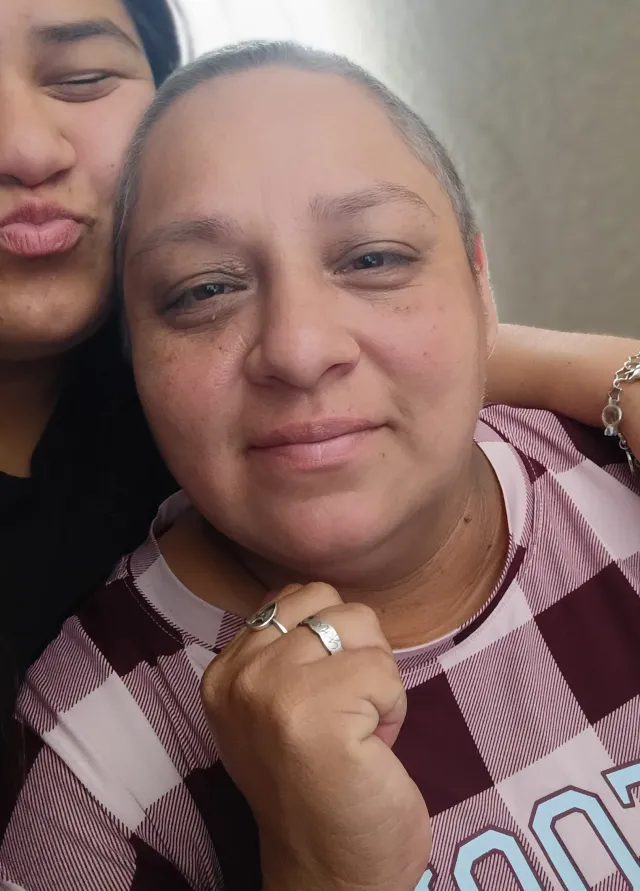
Image: Stock photo posed by models, sourced from Pexels
I was diagnosed with Burkitt lymphoma. It was the scariest day of my life. I suffered in silence through my treatments and tried my best not to show my family how scared I was. I am now in remission, and it's still hard for me. I'm always worried it will come back.
SonyaCancer survivor
Many people with a history of cancer worry about an old cancer returning (cancer recurrence), or a new cancer emerging. In our distress screener, more than half of patients and survivors reported moderate to severe concern about disease progression or recurrence. Additionally, 46% reported worrying about the future and what lies ahead.1
Fear of recurrence can affect every part of your life. You might notice that specific factors set your fears off or remind you of your diagnosis. These might include:
Follow-up tests or scans (some people refer to this as scanxiety)
Anniversaries or birthdays
Cancer awareness events
New diagnoses among friends
New or changing physical symptoms
Loved ones of cancer survivors can experience worries like this, too.
No single strategy is guaranteed to make fears of recurrence go away completely. But being aware of possible triggers and having coping tools and resources ready can help you manage and minimize these fears.
CancerSupportSource data as of May 2026, based on feedback from 4,652 patients and survivors.
6 Tips To Ease Fears of Recurrence
I know my cancer can return. I choose not to think that far ahead. Instead, I focus on the things I need to do to keep myself in the best condition possible. I eat healthy, walk regularly, find joy in my life, and keep a good attitude.
Being an active participant in your healthcare and having a clear follow-up plan can help you maintain a sense of control. While there are some things you can't control, think about the things you can do, such as:
Ask your healthcare team about signs of recurrence for your cancer type and ways that you can stay healthy.
Stay on top of recommended medical tests, procedures, and other follow-up appointments.
Keep track of new concerns and questions as they arise, and share them with your doctor.
If you are about to finish active cancer treatment, or have just completed it, also talk to your doctor about getting a survivorship care plan. This plan outlines what a patient should do in their follow-up care and also includes important information about their diagnosis, treatments, and side effects they might experience.
Being diagnosed with cancer again is a worry, whether it is a relapse or another type of cancer. When I have large bruises, headaches, or other unexplainable symptoms, that is where my thoughts go. As a result, I am conscientious about follow-up visits with my doctors.
In 2022, 74% of callers to our Cancer Support Helpline reported having worries about the future and what lies ahead, and 50% requested additional support for this concern.
Here are 3 ways you can find professional support:
Let your healthcare team know if you are feeling worried or anxious. They can refer you to a therapist or an oncology social worker with whom you can discuss your concerns. Many people don’t realize that oncology social workers can provide support throughout a patient’s entire cancer experience, even after treatment ends.
Talk to an experienced navigator or resource specialist on our Cancer Support Helpline. Our experienced team provides free navigation for patients, survivors, and their loved ones, including emotional support, coping mechanisms, and referrals to local and national resources. Call CSC-867-5309 (272-867-5309). Note: Toll-free & outside the United States, call 888-793-9355.
Visit one of our caring and supportive CSC or Gilda's Club locations near you. We have more than 200 locations worldwide, with professionally led programs that include support groups and educational workshops for cancer patients, survivors, caregivers, and loved ones. Our programs are offered at no cost to anyone impacted by cancer.
I am bold and able to transcend my problems because of my solid support group, with whom I am transparent and inclusive and engage in my small wins. I just let it out in my support group about my feelings, pain, good and bad days.
BrindaCancer survivor
3. Follow a healthy lifestyle.
Creating a healthy lifestyle plan after cancer includes eating a nutritious diet and getting regular exercise.
Try this modern twist on classic hummus, then explore our other healthy recipes designed to support the nutritional needs of people impacted by cancer.
Mind-body practices can help you rein in distressing thoughts, focus on the present, and achieve a sense of calm. Tara, a certified yoga instructor and former cancer caregiver, puts it this way:
"Meditation is like a mirror that polishes the mind. Before we meditate, that mirror is foggy or smudgy, and it clouds our state of consciousness. But through stillness, we can start to withdraw our senses and turn inward. … We start to feel a greater sense of peace within."
After surviving cancer more than once, the fear doesn’t just go away — it follows you. What helped me manage it was reminding myself of what I could control: my mindset, my fight, and the people I kept around me.
As you navigate different concerns related to cancer survivorship, including fears of recurrence, it can be helpful to hear from others who are going through similar experiences. Our free online cancer community MyLifeLine is a safe space for you to share your concerns with people like you who are navigating cancer or life post-treatment.
We have discussion forums on a variety of cancer topics, including post-treatment survivorship, coping with side effects, and nutrition & wellness. It’s a convenient option if you don’t have a CSC location close to home, or if you’re looking for ways to supplement in-person support programs you may be attending.
They tell me I am in remission and should be very happy. I don't think hearing the word cancer and never knowing if and when it will recur will ever ease my fear of it returning.
MyLifeLine memberPost-Treatment Survivors discussion forum
6. Do what you love.
Channeling your focus into an activity, be it a practical task or an interesting hobby, can provide a welcome distraction that takes your mind off your worries. If you enjoy doing the activity, it may bring you a sense of happiness, too. In fact, there’s a word for this focused state of mind: flow.
There were times when I would worry myself sick, wondering if I would have a breast cancer recurrence, and that is definitely not living your best life. Dance, laugh, take that fabulous vacation to the beach (I did), volunteer your time. Just continue to live your life!



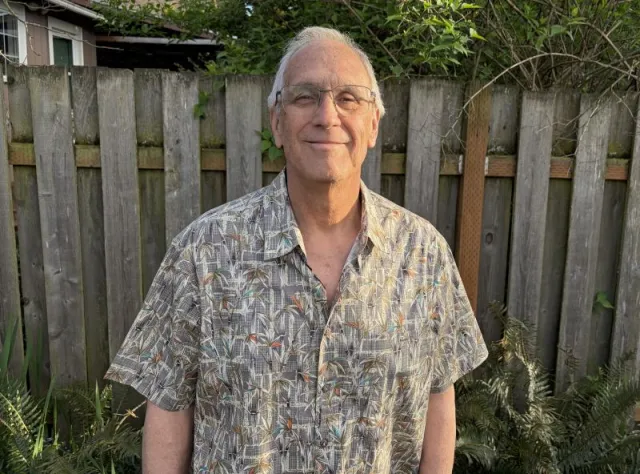 Read Jeffrey's Story
 Read Alyssa's Story