Understanding Patient Access to Cancer Care

Cancer Support Community's Access Project brought together patients, survivors, healthcare leaders, and policymakers to examine barriers to cancer care. Through research and personal stories, the study highlights challenges related to healthcare access, financial burden, emotional support, and patient-provider communication—and helps drive solutions that improve the cancer experience.
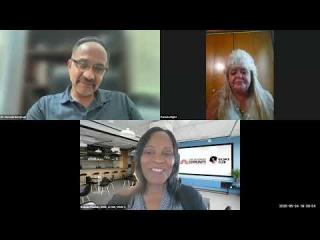
The CAR T Experience: From Patient, Caregiver, and Clinical Perspectives Webinar

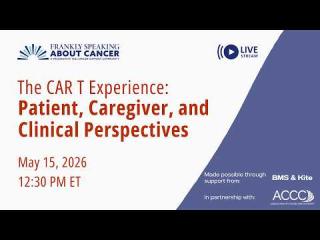
This webinar featured a panel discussion about CAR T cell therapy experiences with patients, caregivers, and clinical professionals. The nurse navigator explained the CAR T process from referral through infusion and recovery. Izak, a multiple myeloma patient, and his wife Sharon shared their personal journey through CAR T treatment. They discussed their decision-making process, the role of the caregiver, and how the treatment was less challenging than expected. The panel shared common challenges including financial barriers, travel logistics, and the emotional burden on caregivers.

Take Control of Your Care: Lung Cancer Biomarker Testing Webinar

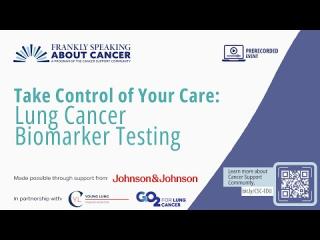
In this webinar, you’ll hear from a nurse practitioner and patient advocates as they break down the differences between lung cancer types and biomarkers, like EGFR mutations. Our panel will explain biomarker-informed treatment and share real-life strategies for managing side effects and navigating survivorship. Whether you're newly diagnosed or caregiving for a loved one, this session will help you feel informed, empowered, and ready to take an active role in care decisions. 

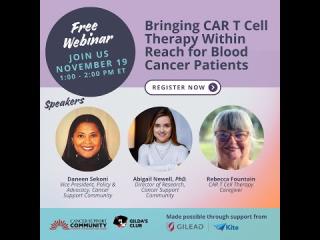
Bringing CAR T Cell Therapy Within Reach for Blood Cancer Patients Webinar

Watch a conversation on expanding access to CAR T cell therapy for blood cancer patients, featuring research findings on barriers to CAR T and the personal experiences and perspectives of a CAR T caregiver. This webinar explores why increasing access to potentially life-saving CAR T cell therapy is important to patients and their families, and highlights policy opportunities to expand equitable access to CAR T and reduce the burden on patients, caregivers, and their loved ones.

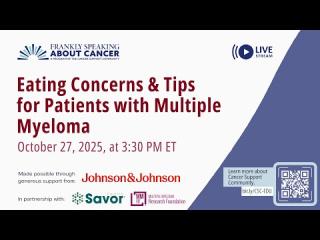
Eating Concerns & Tips for Patients with Multiple Myeloma Webinar

The webinar, hosted by the Cancer Support Community, focuses on eating concerns and nutrition tips for multiple myeloma patients, featuring a panel of experts including Dr. Craig Cole, Chelsea Schneider, and Michelle, a survivor. The discussion covers the diagnosis, treatment options, and common side effects of multiple myeloma, emphasizing the importance of patient education and communication with healthcare providers. The panel highlights the role of nutrition in managing treatment side effects and maintaining health during cancer care.

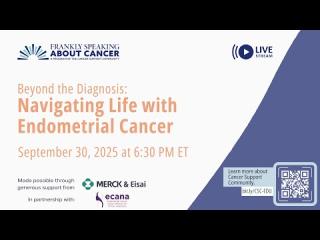
Beyond the Diagnosis: Navigating Life with Endometrial Cancer

Watch a conversation on endometrial cancer with featured presentations from Dr. Laura Chambers, a gynecologic oncologist, and Shanda Foster, a four-time cancer survivor, who shared their expertise and personal experiences with the disease. The discussion covered the anatomy and types of uterine cancers, symptoms and diagnostic challenges, and various treatment options including surgery, chemotherapy, and radiation.

Justified Medical Mistrust: Myths vs. Facts

In this episode of the award-winning short documentary series Justified Medical Mistrust: Acknowledging the Past to Change the Future, we explore strongly held beliefs, preconceptions, and misconceptions about clinical trials and clinical trial participation. Patients and physicians set the record straight, sharing their personal experiences and insights.

CSC Webinar on the Inflation Reduction Act (IRA) & Patient Engagement

CSC’s Cancer Policy Institute hosted a webinar on July 16th, 2024, focused on the potential consequences of the Medicare Drug Price Negotiation Program (MDPNP) and the importance of a patient-centered approach to program implementation. During the event, CSC and expert panelists discussed opportunities to work collaboratively and collectively on patient-centered principles to MDPNP implementation.