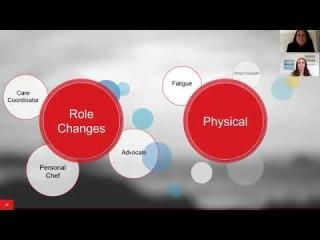
Caregivers' Role in Monitoring CAR T Severe Side Effects Webinar

This virtual webinar will offer information on CAR T-associated side effects and offer tips for coping as you support your loved one with the many different parts of the planning and therapy process.

Learn more about CAR T Cell Therapy and more here:
- https://www.cancersupportcommunity.org/car-t-cell-therapy
- https://www.cancersupportcommunity.org/caregivers
- https://www.cancersupportcommunity.org/managing-side-effects

#cancereducation #cartcelltherapy #immunotherapy #caregiver
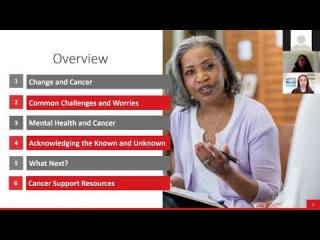
Living with Uncertainty - A Webinar for CAR T Patients and Caregivers

This program will focus on common challenges and worries, acknowledging the known and unknown and tips for managing the stress and uncertainty of CAR T Cell Therapy.

Find additional resources for support here:
- https://www.cancersupportcommunity.org/car-t-cell-therapy 
- https://www.cancersupportcommunity.org/coping-cancer
- https://www.cancersupportcommunity.org/coping-stress

#cartcelltherapy #immunotherapy #cancereducation

Sustaining Compassionate Care - A Webinar for CAR T Patients and Caregivers

Guest speakers Brittany Fols, LCSW, OSW-C and Lauren Kriegel, LCSW, OSW-C provide practical tips to help cope with the social and emotional challenges of going through CAR T cell therapy including how to balance care for others with self-care. Self-care strategies like mindfulness and how to focus on values will be discussed.

How Meditation And Yoga Helped Me

After a breast cancer diagnosis and mastectomy, emotional healing can take time. In this inspiring video, a cancer survivor shares how yoga, meditation, and mindful breathing helped her cope with anxiety, stay present, and find peace during treatment and follow-up procedures.

Her story highlights the powerful role that mind-body practices can play in supporting emotional well-being throughout the cancer journey.

Our Story

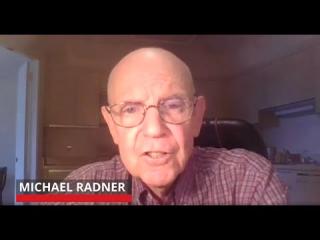
Did you know that our global community of support is found at over 200 locations including Cancer Support Community, Gilda’s Club, and healthcare partners? Together, we offer $50 million each year in free support services to people touched by cancer. Watch this video to find out more about our network and hear about our early days from Joanna Bull, Mitch Golant and Gilda Radner’s brother Michael Radner who were all instrumental in our founding and expansion.

Side Effects of Cancer Treatment: Changing Taste of Food

Cancer affects not only the person diagnosed but also the loved ones who support them every step of the way. In this heartfelt conversation, a patient and caregiver share their experiences navigating the physical and emotional challenges of cancer treatment together.

Dr.Schuchter: Targeted Therapies for Melanoma

Targeted therapy has become an important advancement in the treatment of melanoma.

In this video, an expert explains how targeted therapies work, who may benefit from them, and how they are helping improve outcomes for people living with melanoma.

Dr. Schuchter: How Can Melanoma Be Detected

Melanoma is highly curable when detected early, making awareness and prevention critical. In this video, a medical expert explains how simple skin checks—looking for new or changing moles—can help catch melanoma at its earliest, most treatable stage.

They also discuss key risk factors such as sun exposure and tanning beds, rising trends in melanoma cases, and the importance of early evaluation and treatment to reduce the risk of recurrence.

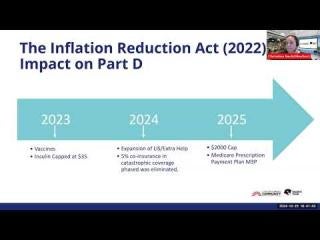
The Times are Changing… and so is Medicare

Join the Cancer Support Community (CSC) for a conversation with two oncology financial navigators to discuss the new Medicare Prescription Payment Plan (M3P). This payment option aims to help Medicare beneficiaries manage their out-of-pocket costs, and make healthcare more accessible, equitable, and affordable. This event is held in partnership with OncoLink. This program was made possible through generous support from Takeda

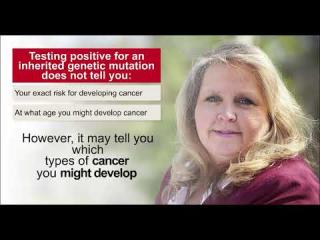
Quick Guide on Genetic Testing for Hereditary Cancers

Genes - which make up your DNA - are molecules inside your cells that you inherited from your birth parents. Sometimes genes are inherited with changes in the DNA, called mutations. Very small changes in the DNA can sometimes cause large issues like cancer. Some inherited mutations can raise a person’s cancer risk later in life. Watch this 7-minute guide from our Precision Medicine video series to learn more about inherited genetic mutations and how testing for these mutations can help prevent and diagnose cancer.