Side Effects of Cancer Treatment: Changing Taste of Food

Cancer affects not only the person diagnosed but also the loved ones who support them every step of the way. In this heartfelt conversation, a patient and caregiver share their experiences navigating the physical and emotional challenges of cancer treatment together.

Dr.Schuchter: Targeted Therapies for Melanoma

Targeted therapy has become an important advancement in the treatment of melanoma.

In this video, an expert explains how targeted therapies work, who may benefit from them, and how they are helping improve outcomes for people living with melanoma.

Dr. Schuchter: How Can Melanoma Be Detected

Melanoma is highly curable when detected early, making awareness and prevention critical. In this video, a medical expert explains how simple skin checks—looking for new or changing moles—can help catch melanoma at its earliest, most treatable stage.

They also discuss key risk factors such as sun exposure and tanning beds, rising trends in melanoma cases, and the importance of early evaluation and treatment to reduce the risk of recurrence.

The Times are Changing… and so is Medicare

Join the Cancer Support Community (CSC) for a conversation with two oncology financial navigators to discuss the new Medicare Prescription Payment Plan (M3P). This payment option aims to help Medicare beneficiaries manage their out-of-pocket costs, and make healthcare more accessible, equitable, and affordable. This event is held in partnership with OncoLink. This program was made possible through generous support from Takeda

Quick Guide on Genetic Testing for Hereditary Cancers

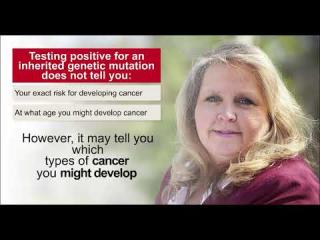
Genes - which make up your DNA - are molecules inside your cells that you inherited from your birth parents. Sometimes genes are inherited with changes in the DNA, called mutations. Very small changes in the DNA can sometimes cause large issues like cancer. Some inherited mutations can raise a person’s cancer risk later in life. Watch this 7-minute guide from our Precision Medicine video series to learn more about inherited genetic mutations and how testing for these mutations can help prevent and diagnose cancer.  

Quick Guide to Understanding Biomarker Testing

Biomarker testing provides more information about cancer— beyond the type and stage. A biomarker is a molecule in the body that doctors can measure to tell them something specific about the person and the cancer. Health care providers who test for biomarkers are trying to find out if the person has a cancer subtype that matches to a targeted therapy drug. Watch this 5-minute guide from our Precision Medicine video series to learn more about biomarker testing and how it is being used to diagnose and treat cancer patients.

For more information, please visit these webpages:

Grounding Yourself as a Cancer Caregiver

Elaine R., caregiver for husband with melanoma, discusses taking a moment to breathe and remind yourself that you will make it through. Take care of yourself and be proud of what you are doing.

Cancer's Impact on Roles and Family Dynamics

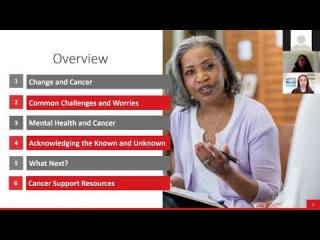
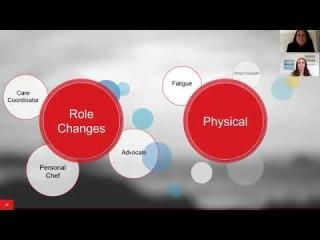
Cancer affects more than the person diagnosed—it can transform relationships, routines, and roles within a family. In this video, caregivers share their experiences navigating the shift from spouse, parent, or partner to caregiver, and discuss the importance of support, connection, and remembering that cancer does not define a person or their loved ones.