
A Simple Soup to Repair, Strengthen & Reduce Risk

Greens and white bean soup, vegetarian friendly. Find the recipe with cancer-fighting ingredients below.
Soups pack a high concentration of vitamins and minerals into a single meal.
By Chelsey Schneider, M.S., RD, CSO, CDN
Eating well after a cancer diagnosis isn't just about eating your veggies — it’s about integrating powerful foods into your repertoire to give your body the tools it needs to repair, stay strong, and reduce the risk of your cancer returning.
Soups are a great way to do this, no matter where you are in the cancer experience. They offer a gentle way to pack a high concentration of vitamins and minerals into a single, easy-to-digest meal that stays fresh in the fridge for days.
Recharge & Reset With Greens & White Bean Soup
Why the Ingredients Matter
The science is in the bowl. Every ingredient in this greens and white bean soup recipe was chosen to help lower the risk of cancer returning.
Here are the 4 key ingredients:
1. Greens
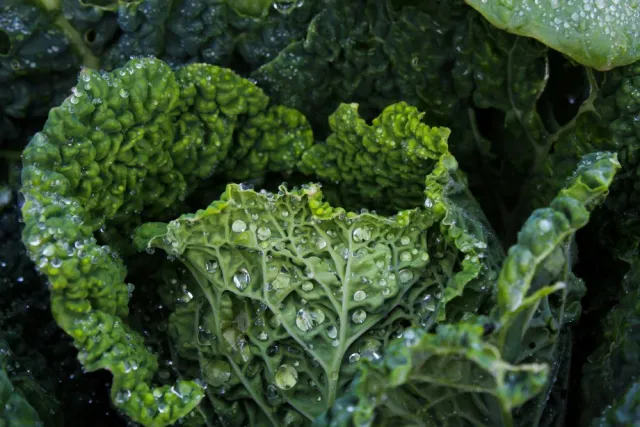
Leafy greens are cruciferous vegetables. They are rich in glucosinolates, which, when chopped or chewed, convert into isothiocyanates. These are known cancer-fighting compounds that also support liver detoxification. Leafy greens are also packed with vitamin K (great for bone strength) and vitamin A (which helps your immune system).
2. White beans

Whether you are in treatment or post-treatment, your body benefits from high-quality, complete protein. High consumption of red or processed meats is linked to increased risk for disease.
White beans (like cannellini beans, pictured above) offer plant-based protein that stabilizes blood sugar and reduces cancer risk. They are packed with resistant starch, a prebiotic that feeds beneficial gut bacteria. A thriving microbiome is increasingly linked to enhanced immune function — the body’s natural ability to detect and manage abnormal cells.
3. Garlic & onions
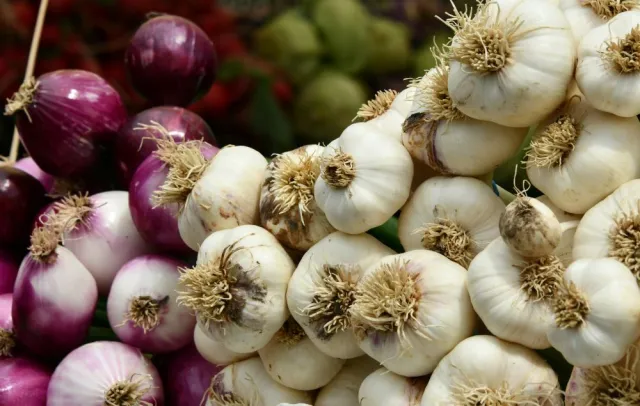
These aromatic staples are part of the allium family, and they provide more than just flavor; they are rich in sulfur compounds and the flavonoid quercetin. High intake of allium vegetables is associated with a lower risk of some cancer types. They act as natural anti-inflammatories and, of course, they taste great!
4. Extra virgin olive oil
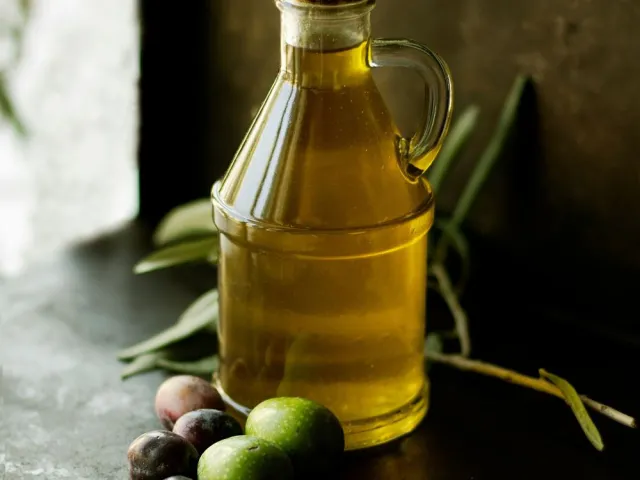
The base of this soup utilizes monounsaturated (“healthy”) fats and polyphenols. The fats help the body absorb the fat-soluble vitamins (vitamin A and vitamin K) in the greens while lowering damage and inflammation in the body.
Tip: This soup stores well in the fridge or freezer, providing several days of high-quality meals with minimal "active" kitchen time.
What You’ll Need
Ingredients
1 bunch greens (mix of collards and kale), washed
1 to 2 tablespoons olive oil
1 sprig plus 1 teaspoon of fresh rosemary, chopped, divided
1 medium onion, finely diced
1 large carrot, cut into a small dice
1 medium Yukon Gold potato or other waxy potato, cut into a small dice
1 clove garlic, chopped
2 cups or 1 (14 ounces) can white beans (cannellini or Great Northern), drained and rinsed
2¼ quarts (9 cups) low-sodium vegetable or chicken broth
1 tablespoon chopped flat-leaf parsley
Use What You Have
This recipe is flexible based on what you have in your kitchen or what you feel like eating.
For example:
- If you don't have collard greens or kale, you can swap them for spinach.
- No white beans? Chickpeas or lentils work great, too.
- Toss in extra veggies like squash or mushrooms to make the soup even heartier.
- Easily modify herbs — swap flavors by using fresh or dried rosemary, thyme, or parsley. It not only boosts the flavor but also adds extra antioxidants, vitamins, and minerals.

Find Your Next Great Soup
Visit our Kitchen for more recipes. Search by eating challenge & meal type.
About the Author
Chelsey Schneider is a registered dietitian (RD) and a certified specialist in oncology nutrition (CSO). She is Head of Clinical Evidence and Advocacy Relations at Savor Health. Chelsey is passionate about turning science into actionable goals for her patients, helping them to integrate clinical guidelines into easy everyday lifestyle actions. Chelsey has her bachelor's and master's degree in nutrition and holds her advanced practice certifications for over 10 years, gaining extensive clinical experience working with the oncology population.
About Savor Health
Savor Health is a digital health company that provides precision nutrition interventions to manage cancer and other complex conditions. Their Intelligent Nutrition Assistant, Ina®, provides free, 24/7, unlimited, HIPAA-compliant, and secure nutrition services, all from your phone. Users receive customized recipes, foods to eat and avoid, symptom support, and answers to their nutrition questions that are based on clinical evidence, guidelines, and the experience of medical professionals. Register for free.
Chef Ryan's Tips to Cook for Chemo
Is chemo making it hard to eat well? Try these tips from an award-winning cookbook author & chef.
Join the Conversation
Share tips with others like you on our Nutrition & Wellness forum for people impacted by cancer.