

Publications & Presentations
The Cancer Support Community is a leader in research on the patient, survivor, and caregiver experience. Our work appears in posters and presentations shared at professional conferences, published articles in preeminent peer-reviewed journals, educational materials for patients and caregivers, and comprehensive research reports to help inform cancer care and patient advocacy.

Use the search filters below to discover our research findings on diverse topics related to patient and caregiver quality of life, including:
- Psychosocial well-being and symptom management
- Patient-provider communication
- Treatment options
- Patient advocacy
- Financial toxicity and other barriers to health equity
- Experiences and perspectives on precision medicine
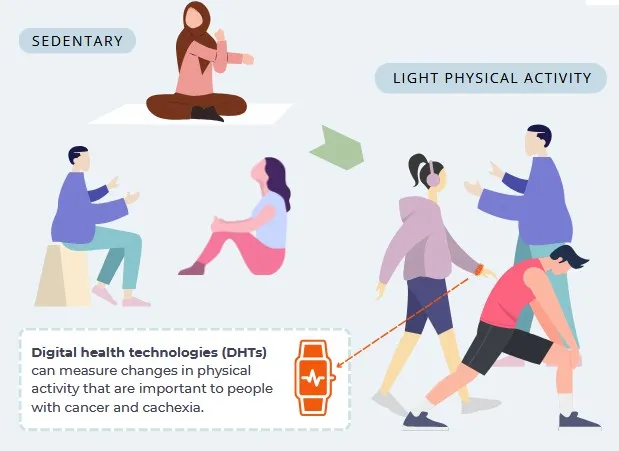
Meaningful Change in the Ability to Do Activities With Cancer & Cachexia
A research team, including Cancer Support Community, surveyed 181 adults with cancer and cachexia to learn what changes in activity would be meaningful. These findings highlight how researchers can measure patient-centered changes and guide the development of new treatments.
As many as one-quarter of people living with cancer are also living with depression, and about 20 percent with anxiety. Even when patients are screened for distress and referred to care, many patients do not access this treatment or support.
Older adults living with metastatic cancer experience diverse psychosocial concerns. While symptom burden had expected associations with anxiety and depression risk, concerns about body and healthy lifestyle, relationships and intimacy, and health care team communication were notable significant predictors of anxiety and depression risk, respectively.
This report is an exploration of the continued need for caregiver support and research, and aims to understand the emotional, physical, practical, and financial impact of cancer and identify unmet needs among patients, survivors, and caregivers.
CancerSupportSourceTM‐Caregiver is a distress screening, referral, and support program designed to identify the unmet needs of cancer caregivers and link caregivers to desired resources and support. This study refined and finalized the CancerSupportSource‐Caregiver screening measure and examined its psychometric properties.
This analysis explores the experience of metastatic breast cancer patients and survivors with a wellness program implemented by Unite for HER (UFH), a national non-profit organization that delivers integrative therapies and support services.
The COVID-19 pandemic heightened the psychosocial impact of a cancer diagnosis as patients face concerns about the risk of infection and serious disease and uncertainties about the impact on their treatment. We conducted an online survey and focus groups with patients to examine their experiences with cancer care during the pandemic.
Patients undergoing cancer treatment during the COVID-19 pandemic have experienced stress and uncertainty with respect to disruptions in cancer care and COVID-19 related risks. We examined whether clinicians’ responsiveness to patients’ uncertainty and difficult emotions were associated with better health and well-being.
In this report, Charles River Associates (CRA) and Cancer Support Community (CSC) examine the extent to which policies associated with long-term support, well-being, and treatment innovation for triple negative breast cancer (TNBC) patients can exacerbate or ameliorate inequities in TNBC health outcomes among at-risk, under-resourced populations in the United States (US).
In this qualitative study, we explored MBC patients’ and partners’ experiences of sexual and intimacy-related changes and concerns, coping efforts, and information needs and intervention preferences, with a focus on identifying how the context of MBC shapes these experiences.
TOPICS: (Clinical Trials, Education & Empowerment, Mental Health & Psychosocial Support, Treatment Decision Making)