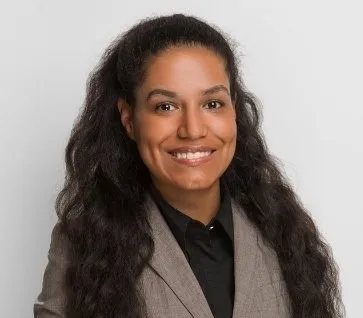
Stock photo: Image by Rineshkumar Ghirao for Unsplash.
Every day, from the frontlines in clinical care to research and innovation, medical professionals are working to address systemic barriers to access and equity in healthcare. In her own role, neurosurgical oncologist Analiz Rodriguez, M.D., PhD., M.B.A., FAANS, brings essential experiences, insights, and skills to cancer care to enhance patient trust, communication, and outcomes.
Get to know Dr. Rodriguez in this Q&A, as she reflects on the ways language and culture affect people’s access to care and trust in the medical system, and why she is passionate about breaking down barriers to care.
Meet Dr. Analiz Rodriguez
Growing up, I saw firsthand how language and culture affect people’s access to care and trust in the medical system. That awareness shaped everything about my career path...
Has your background and upbringing helped to shape the professional paths you’ve taken?
Dr. Rodriguez: Yes. I’m a first-generation American and an ESL (English as a Second Language) Afro-Latina raised by a Puerto Rican mother. Growing up, I saw firsthand how language and culture affect people’s access to care and trust in the medical system. That awareness shaped everything about my career path: from becoming a neurosurgeon-scientist to focusing my research on health equity and inclusion in clinical trials.
My lived experience continues to influence how I advocate for patients who are often overlooked or underserved.
What inspired you to enter neuro-oncology, and what are you most passionate about now?
Dr. Rodriguez: I was drawn to neuro-oncology because brain tumors don’t just affect survival; they affect how people think, speak, move, and relate to their loved ones. Helping patients navigate those deeply human challenges is an incredible privilege.
I’m most passionate now about using precision medicine to improve outcomes while also breaking down barriers. I want to ensure that access to cutting-edge treatments and trials is equitable for all patients, regardless of language, background, or income.
What challenges have you observed for Hispanic/Latino people navigating cancer care?
Dr. Rodriguez: There are several. The first is language barriers. Too often, critical documents like consent forms for clinical trials aren’t available in a patient’s primary language. That not only makes participation harder, it undermines trust. The Madrigal v. Quilligan case in the 1970s, when Chicana women in Los Angeles were sterilized without proper consent, remains a powerful example of why true informed consent must happen in a person’s own language.
The second challenge is historical and intergenerational distrust of medical institutions, reinforced by events such as the sterilization practices in Puerto Rico decades ago. These collective memories shape how families approach care today.
Finally, structural barriers such as insurance, transportation, and limited time off work make it difficult to complete treatments or participate in clinical research.
Do you have tips or suggestions for those facing these challenges?
Dr. Rodriguez: Patients should know they have the right to request an interpreter and translated materials at every step of their care. Having a bilingual family member or trusted friend attend visits can also help track details and questions. Most major cancer centers now have patient navigators, who are incredible resources for coordinating appointments, transportation, and support services.
And for those considering clinical trials, it’s okay to ask for extra time, to take forms home, and to insist on a full explanation in your preferred language before signing anything.
What are the most significant disparities Hispanic/Latino people face in cancer care?
Dr. Rodriguez: The biggest disparities involve access and inclusion. Lower rates of screening and early detection, under-representation in clinical trials, and communication barriers lead to delayed or incomplete treatment. Cultural factors and mistrust of the medical system can compound these issues. Building trust requires culturally competent care, transparency, and acknowledgment of historical harms, not just data or outreach campaigns.
What advice would you give to those who may feel uncertain about participating in a clinical trial?
Dr. Rodriguez: First, remember that a clinical trial should never feel rushed. Patients should understand everything being asked of them. If the consent isn’t in your language, ask for it to be translated. I often share the lesson of Madrigal v. Quilligan that informed consent isn’t just a form; it’s a conversation rooted in respect and understanding. And if you’re not comfortable, it’s okay to say no or to take time to think.
Peer Support Program
Are you a Hispanic or Latino cancer patient, survivor, or previvor? We offer a free peer support program to help you better understand cancer clinical trials and help you make informed decisions about your care.
How can patient navigation and other support services help?
Dr. Rodriguez: Patient navigation can make an enormous difference. Navigators help patients manage logistics like scheduling, transportation, and insurance paperwork, and they provide emotional and cultural support. Many patients feel more at ease when they have someone who understands their language and community guiding them through care. Partnerships with churches, community organizations, and advocacy groups also build trust and help connect patients with reliable resources.
Is there anything else you would like to share?
Dr. Rodriguez: Despite its painful history, Puerto Rico has become a leader in cancer prevention. The island was one of the first U.S. jurisdictions to mandate HPV vaccination for school-aged children, and data show significant gains in vaccination rates. What’s inspiring is that this success came from grassroots advocacy where health professionals and community leaders worked together to protect future generations. It’s a reminder that progress often starts from within our own communities.
Analiz Rodriguez, M.D., PhD., M.B.A., FAANS, is Associate Professor, Director of Neurosurgical Oncology, and Vice Chair of Research in the Department of Neurosurgery at the University of Arkansas for Medical Sciences.