Our stories matter. And when we share them — around the kitchen table, in community spaces, and even in spaces like this — we begin to heal. Not alone, but as a familia.
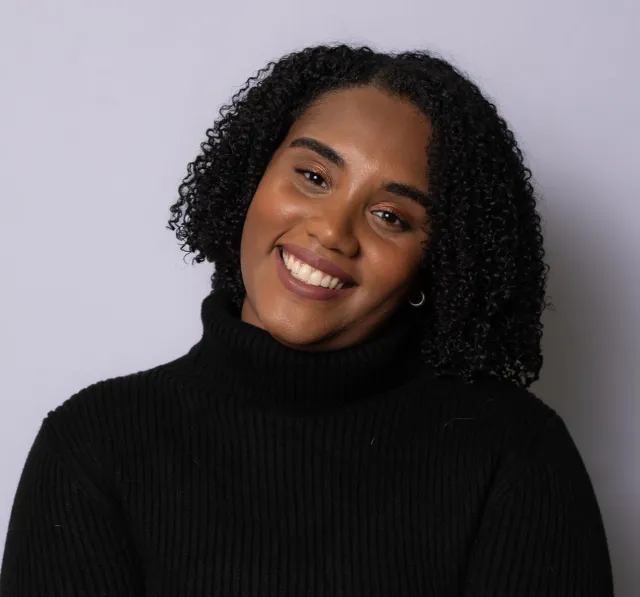
Elizabeth Soto-Romero, MPHManager, Program and Health Equity, Cancer Support Community
“Do you have a minute?”
It’s a question that sounds completely normal — until it’s not. In many Latino households, those words signal something life-changing. The announcement of a cancer diagnosis rarely comes through a planned meeting or a carefully worded speech. Instead, it often happens in the middle of everyday life — in kitchens over arroz con pollo, in living rooms during novelas, or whispered at night once the children are asleep.
The words don’t come all at once. They arrive in fragments:
“el doctor dijo…” (the doctor said…)
“me encontraron algo…” (they found something...)
Between sentences hangs a silence that feels heavier than any words. That silence holds fear, uncertainty, and the instinct to protect loved ones from pain.
For Hispanic families, illness is never only medical — it’s cultural, relational, and familial. The first reactions often look like denial, secrecy, or guarded optimism.
If you’re on either side of this moment — sharing or receiving the news — remember that pauses are normal. Allow silence, but also encourage openness. Sometimes, starting with, “I don’t know what to say, but I want to be here for you,” is the most powerful way to hold space.
“No le digas a nadie” – The Culture of Silence
One of the most common first reactions to illness is secrecy. “No le digas a nadie” (don’t tell anyone). It comes from love and protection — families don’t want to cause unnecessary worry, or worse, invite gossip. But silence can unintentionally isolate the very person who needs support most.
Gender roles deepen this silence. Fathers, brothers, and sons may avoid showing emotion, believing that strength means not showing fear. Mothers and daughters often step in as caregivers, taking on emotional and physical responsibilities while quietly carrying their own stress.
Instead of opening up, families may keep everything “solo entre la familia”. Information is shared in fragments, if at all. Some turn to neighbors, comadres, compadres, or community leaders for guidance before reaching out to doctors or looking up reliable resources. Others rely on what they’ve heard through word of mouth, sometimes helpful, sometimes misleading.
Breaking the silence doesn’t mean exposing private struggles to everyone. It can simply mean choosing safe spaces to share, whether that’s with a trusted family member, a close friend, or a local community group. Finding circles that understand, culturally and linguistically, can make all the difference in feeling supported and informed.
Strength and Stigma
Latino families are known for resilience. “Sé fuerte” (be strong) is advice passed down through generations. But sometimes that strength becomes a mask.
Immigrant families know this well — resilience is part of survival in a new country. When illness strikes, the expectation to “stay strong” can feel relentless. The words “Tienes que ser fuerte” (you have to be strong) echo, even when what someone really needs is permission to cry, to rest, or to admit fear.
Una nota a aquellos cuidando a un ser querido con Cáncer
Caregivers — most often women — carry some of the heaviest, least visible burdens. They juggle appointments, meals, work, and emotional support, usually while suppressing their own needs. Their tears often come late at night, behind closed doors.
Strength doesn’t have to mean silence. Families can practice a new kind of resilience — one that includes vulnerability. Caregivers should be reminded: your health matters too. Seek self-care, counseling, or take breaks. Asking for help is also an act of strength.
When cancer visits a Latino household, it does not arrive quietly. It interrupts daily life with broken sentences, unspoken fears, and the heavy expectation to be strong.
Families may respond with silence, secrecy, and resilience that leads to exhaustion. The kitchen table becomes the place where decisions are whispered. The living room turns into a waiting room between appointments. Family WhatsApp groups buzz with partial updates — never the whole story.
But within those same patterns lies opportunity. Secrecy can be transformed into selective, trusted sharing. Silence can make way for honest conversations in safe spaces. These conversations may be with a cousin who has walked the same path, a community health worker at the local clinic, or a bilingual support group that finally “sounds like us.”
And strength can be redefined — not as hiding pain, but as finding safe spaces to express it, through storytelling, through family meals, through the humor that often sneaks in even during the most challenging moments.
These cultural factors — our reliance on extended family, our use of food as medicine and comfort, our tendency to carry burdens quietly — shape how illness unfolds in Latino households. They also shape the solutions. A tía bringing caldo to a chemo appointment, a comadre translating medical terms in the waiting room, or a young adult helping their parents navigate hospital paperwork.
Our stories matter. And when we share them — around the kitchen table, in community spaces, and even in spaces like this — we begin to heal. Not alone, but as a familia.
Llame a la línea de ayuda y apoyo contra el cáncer
Estamos aquí para ayudarle ofreciéndole orientación personalizada y gratuita por teléfono y en línea. Llámenos Ahora – CSC-867-5309
Elizabeth Soto-Romero was born and raised in the Dominican Republic and later migrated to New York City, where she grew roots in a vibrant blend of cultures, resilience, and community spirit that continues to shape her work today. An NSF, NIH, and Gilman Fellowship Alumni, Elizabeth holds a Bachelor of Science in Biotechnology from CUNY, and a Master of Public Health from SUNY Downstate.
With expertise serving minority populations, including Hispanic/Latino communities, Elizabeth has dedicated her career to advancing health equity. Her skills in implementation science enable her to design impactful, sustainable programs that break down barriers to care and empower communities to thrive.
Elizabeth is a Manager, Program and Health Equity, at the Cancer Support Community.