
Diffuse Large B Cell Lymphoma (DLBCL)
Medically reviewed by: Carla Casulo, MD
Last Updated: August 2026
What is Diffuse Large B-Cell Lymphoma?
Diffuse large B-cell lymphoma (DLBCL) is a type of lymphoma. Lymphoma is a cancer of white blood cells. It often starts in the lymphatic system. This system is part of your body’s natural defenses, called the immune system. It helps you fight germs and stay healthy. Some of the main parts of this system include:
- Lymph nodes – Small bean‑shaped structures in your body. They clean a fluid called lymph by removing bacteria, viruses, and abnormal cells. Lymph nodes also hold special white blood cells that help your body fight infections.
- Bone marrow – A soft, spongy tissue inside bones where blood cells are made.
- Thymus – A small gland located in your chest. It teaches T cells (a type of white blood cell) to fight infections.
- Spleen – An organ located in the upper left side of your abdomen (belly). It keeps your body healthy by filtering and storing your blood. It also fights infections.
- Lymphatic vessels – Tiny tubes that transport lymph fluid throughout the body.
There are two main kinds of lymphoma:
DLBCL is the most common type of non‑Hodgkin lymphoma.
DLBCL gets its name from the type of cell it starts in: B cells. B cells are a type of white blood cell that helps fight infections. Under a microscope, the cancer cells look larger than normal B cells and are more spread out in the tissue. This is why it is called diffuse large B‑cell lymphoma.
DLBCL can appear in lymph nodes, the spleen, liver, or bone marrow. It can also appear in other organs in your body.
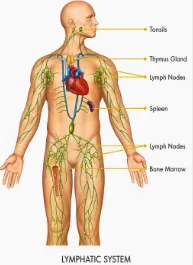
Adapted from Lymphoma Canada
Lisa's DLBCL Story
Diffuse Large B Cell Lymphoma (DLBCL) survivor, Lisa, shares her experience with DLBCL. For more information, please visit the Cancer Support Community DLBCL page.

Join the Conversation
Navigating DLBCL? Connect with others like you on our online discussion forum Living With DLBCL.
Subtypes of DLBCL
There are several subtypes of DLBCL. Doctors determine this by testing your cancer and looking at its characteristics. The main subtypes of DLBCL are listed below.
- Subtypes based on type of B cell
- Subtypes that start in specific body locations
- Subtypes linked to viruses or immune problems
- Subtypes with specific genetic changes
- Subtypes that are highly aggressive
- Other subtypes
The most common subtypes of DLBCL are based on the cell of origin. This is where the cancer cells come from.
- DLBCL‑not otherwise specified (DLBCL‑NOS)
Most patients have this general type. It means the DLBCL does not fit into a more specific category. DLBCL‑NOS includes other groups based on the type of B-cell the cancer came from:
- Germinal center B‑cell (GCB): This is the most common subtype. Patients with GCB often respond well to general treatment and usually have better results than some other subtypes.
- Activated B‑cell‑like (ABC): This subtype tends to be more aggressive and may be harder to treat.
Some subtypes of DLBCL behave differently depending on where they are growing in the body:
- Primary mediastinal large B-cell lymphoma (PMBL): This type starts as a mass in the chest, which can make breathing difficult. It is more common in younger women, especially in their 20s and 30s.
- Primary DLBCL of the central nervous system: This subtype begins in the brain, spinal cord, or eyes. It is more common in older adults.
- Primary cutaneous DLBCL, leg type (PC-DLBCL, leg type): This cancer starts in the skin, often on one or both legs but can appear in other areas. It is most common in older women and tends to grow quickly, so it is considered aggressive.
- Intravascular large B-cell lymphoma (IVLBCL): This subtype grows inside small blood vessels in organs like the brain, spinal cord, kidneys, lungs, and skin. It is very rare and usually affects middle-aged or older adults.
Some types of DLBCL happen when the immune system is weak or when you have certain viruses:
- EBV-positive DLBCL, not otherwise specified (EBV+ DLBCL, NOS): This type is linked to the Epstein-Barr virus (EBV), which infects B cells. It is more common in people over age 50.
- Primary effusion lymphoma (PEL): PEL causes fluid buildup in spaces around the lungs, heart, or abdomen. It is rare and more common in patients who have weakened immune systems, are HIV‑positive, or have had an organ transplant. PEL is often linked to EBV or human herpes virus‑8.
By looking at the genes (the "engine") of the cancer cells, doctors can organize the cancer into six groups:
- MCD: This group has two gene changes that keep the cancer cells growing. It needs strong, targeted treatments.
- BN2: This group can spread to many places, but it usually responds well to treatments.
- N1: This is a rare group that can be aggressive and usually requires doctors to watch it very closely.
- EZB: This group has a gene change that stops cancer cells from dying when they are supposed to. Despite this, standard treatments usually work well against it.
- ST2: This group usually responds very well to treatment and has a very low chance of coming back.
- A53: The cancer cells in this group can become resistant to chemotherapy. Doctors often recommend newer, clinical trial medicines for these patients.
Some subtypes of DLBCL are called “high‑grade B‑cell lymphomas (HGBL).” Doctors group these separately from regular DLBCL. This is because their genetic changes make them act much more aggressively. These lymphomas grow faster, are less likely to respond to standard treatments, and usually need stronger therapy:
- DLBCL with MYC and BCL2 rearrangements (“double‑hit”): This is a fast‑growing subtype. It often needs stronger treatment, and sometimes it starts from another lymphoma called follicular lymphoma. These cancer cells grow quickly, and they stay alive longer. Together, these changes make it harder to treat.
- DLBCL with MYC and BCL6 rearrangements: This is an aggressive subtype that grows quickly. It can spread outside the lymph nodes to the bone marrow or the brain.
Sometimes, DLBCL can develop in unusual ways or evolve from a completely different, slower-moving blood cancer:
- T-cell/histiocyte-rich large B-cell lymphoma: This type often affects organs outside the lymph nodes, such as the liver, spleen, abdomen, and bone marrow. It is rare and more common in middle-aged men.
- DLBCL arising from follicular lymphoma (FL) of marginal zone lymphoma (MZL): When follicular lymphoma (FL) or marginal zone lymphoma (MZL) transforms into a more aggressive cancer, it is considered a type of DLBCL.
- Richter transformation (RT): This is a rare but serious problem that can happen in patients with chronic lymphocytic leukemia (CLL). The slow‑growing leukemia changes into a fast‑growing lymphoma. In most cases, it turns into DLBCL.
Risk Factors
Risk factors are things that can increase the chance of developing a disease. Certain cancer risk factors, such as smoking, can be changed.
Other cancer risk factors, such as a person’s age or family history, cannot be changed.
Risk factors are things that can raise the chance of getting a disease. Some risk factors can be changed, like smoking. Others cannot be changed, like your age or family history.
Having a risk factor does not mean you will have DLBCL. The risk factors for DLBCL are similar to those for other non‑Hodgkin lymphomas (NHLs).
- Age – DLBCL can happen at any age, but most people are diagnosed between ages 65 and 74.
- Gender – Men are 1.5 times more likely to be diagnosed with DLBCL than women.
- Family history – Having a blood relative, such as a parent or sibling, with lymphoma may raise the risk of DLBCL.
- Radiation exposure – Being exposed to radiation — such as radiation treatment for another cancer — can increase a person’s risk of developing DLBCL.
- Chemical exposure – Being exposed to certain chemicals may raise the risk of DLBCL. These include benzene (found in gasoline and some workplace chemicals) and some pesticides.
- Medical history – Some health conditions or treatments can weaken the immune system and increase the risk of DLBCL:
- HIV/AIDS
- Past cancer treatment
- Autoimmune diseases (e.g., lupus, rheumatoid arthritis, ataxia-telangiectasia, or Wiskott-Aldrich syndrome)
- Bacterial or viral infections (e.g., H. pylori or hepatitis C virus)
- Human T-lymphotropic virus type 1 or Epstein-Barr virus infection
- Immunosuppressant drugs (e.g., for organ transplant)
Signs & Symptoms
The signs and symptoms of DLBCL can be different depending on where the cancer is in your body. Below are the most common signs and symptoms:
- Lumps – Painless lumps (swollen lymph nodes) may develop in the neck, underarms, or groin area.
- Fever – You may develop a high temperature without a known cause.
- Fatigue – Feeling very tired
- Loss of appetite – Not feeling hungry
- Weight loss – You may lose weight unexpectedly without dieting or trying to lose weight.
- Night sweats – You may wake up drenched in sweat.
- Breathing changes – If DLBCL develops in the chest, it may cause shortness of breath, cough, chest pain, or trouble swallowing.
- Abdominal swelling – If DLBCL develops in the abdomen (belly), it may cause swelling, pain, nausea, or vomiting.
- Central nervous system changes – If DLBCL develops in your brain or spinal cord, it may cause headaches, numbness, weakness, or seizures. It may also cause changes in personality, trouble thinking, speaking, or moving parts of your body.
- Skin problems – If DLBCL is in your skin, it may cause rashes or itching.
- Infections – If DLBCL is in your bone marrow, you may have frequent infections, fever, easy bleeding, or bruising.
These symptoms will generally improve once you start treatment.
Diagnosis & Staging
Diagnosis
DLBCL can be difficult to diagnose, and getting a complete diagnosis may take more than one doctor’s visit. It is important to be an active part of your healthcare. Ask questions, share your concerns, and speak up if something does not feel right. You know your body best, and your care team needs your input to help guide the diagnosis process.
Your diagnosis may include a physical exam, blood tests, imaging scans, and a biopsy. These tests will confirm the exact type and stage of disease. Your healthcare team will first determine if you have lymphoma, then if it is DLBCL.
These tests are used to help diagnose DLBCL:
- Physical exam – Your doctor feels your lymph nodes in your neck, underarms, and groin to see if they are swollen. They also check if your spleen or liver is bigger than normal.
- Biopsy – This is the only way to know for sure if you have DLBCL and which subtype it is. In a biopsy, the doctor removes a sample of tissue or fluid to be tested. A pathologist then checks the samples for cancer cells. The results help your doctor choose the best and most personalized treatment for you. There are different kinds of biopsies used to diagnose NHL:
- Lymph node biopsy – The doctor removes all or part of a lymph node and looks at it under a microscope.
- Bone marrow biopsy or aspiration – The doctor will insert a needle into your hip bone to see if lymphoma cells are present in your bone marrow.
- Lumbar puncture – This test is used to look for cancer in the central nervous system. The doctor inserts a needle into your lower back to collect fluid that surrounds the brain and spinal cord.
If a biopsy confirms that you have DLBCL, your doctor may recommend more tests to find out how far the disease has spread. These can include blood tests, x-rays, CT scan, MRI, or PET scan.
Staging
After confirming a DLBCL diagnosis, the doctor needs to know the stage, or extent, of the disease to plan the best treatment. Staging is used to find out whether the cancer has spread, and if so, to which parts of the body.
Stages are assigned Roman numerals I-IV (1-4). A higher number means the disease is more advanced. Letters are added to the stages to provide more information. Although most lymphomas are stage III or IV when diagnosed, they are often treatable and possibly curable.
Stage I (stage 1)
Cancer is found in only one lymph node area or organ in the lymph system.
Stage II (stage 2)
Cancer is found in two or more lymph node areas on the same side of the diaphragm (both either above or below). The diaphragm is the muscle below the lungs. It separates the chest and abdomen. Doctors use it as a dividing line when they stage lymphoma.
Stage III (stage 3)
Cancer is found in lymph nodes on both sides of the diaphragm (above and below it).
Stage IV (stage 4)
The cancer is found in many areas of the body.
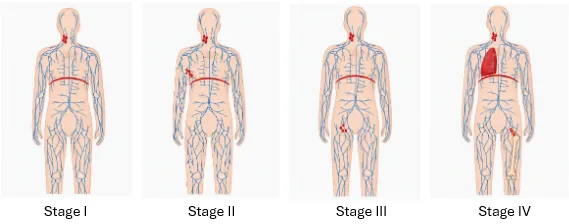
These letters may be added to the stage number to provide more information:
Letter "A"
This means there are swollen lymph nodes, but the patient has no “B” symptoms listed below.
Letter "B"
This means the patient has symptoms: unexplained fever that does not go away, unexplained weight loss, and drenching night sweats.
Letter "E"
“E” comes from “extranodal.” This means DLBCL has affected an organ outside of the lymphatic system.
Letter "S"
This means DLBCL has affected the spleen.
Letter "X" or “bulky”
This means there are large areas of the cancer.
Shared Decision Making for DLBCL
Join the Cancer Support Community for a talk with a Medical Oncologist and DLBCL survivor to discuss the importance of shared decision-making throughout the cancer experience. This event is held in partnership with Patient Empowerment Network and…
Treatment & Side Effects
Treatment
There are many treatments available for DLBCL. Treatment options will depend on the stage of your disease, how far it has progressed, and your overall health.
Talk with your care team about your goals, needs, and preferences. Let them know what is important to you, and don’t be afraid to ask questions.
Chemoimmunotherapy
This is the most common treatment for DLBCL. It combines chemotherapy with immunotherapy. Chemotherapy uses drugs to kill cancer cells. Immunotherapy uses drugs that use the body’s natural defenses (the immune system) to fight cancer. This is a systemic (whole body) treatment. This means it can destroy cancer cells almost anywhere in your body. It may be given by IV (through a vein or port), in pill form (by mouth), or as an injection (a shot).
Stem Cell Transplant
In a stem cell transplant (SCT), patients get an infusion of healthy blood-forming cells (stem cells). The procedure has two parts. First, you receive high doses of chemotherapy. This destroys blood cells. Next, stem cells are put back into your bloodstream to make new blood cells. Bone marrow transplant is one kind of stem cell transplant.
There are two types of SCTs:
- Autologous (“auto”) stem cell transplant – uses the patient’s own stem cells.
- Allogeneic (“allo”) stem cell transplant – uses stem cells of a donor
SCT is not a standard treatment for DLBCL. It is only used if you have refractory disease or relapse, meaning:
- The cancer is not responding to treatment
- The cancer comes back after treatment (usually after 12 months)
Immunotherapy
Immunotherapy uses the body’s natural defenses (the immune system) to find, attack, and kill cancer cells. There are different types of immunotherapy treatments for DLBCL. These include:
- Monoclonal antibody therapy (mAbs)
- Antibody-drug conjugates (ADCs)
- T-cell engagers (TCEs)
- CAR T cell therapy
Clinical Trials
Clinical trials provide patients access to new therapies. They are research studies to test new treatments or learn how to use current treatments better. There are several therapies and drugs being tested for DLBCL at all stages of the disease and treatment (newly diagnosed, refractory, or relapsed).
Radiation Therapy
Radiation therapy uses high-energy rays to kill or damage cancer cells. It is often done together with chemotherapy. This is usually for patients with early stage DLBCL (stage 1 or 2) or bulky disease (represented by an X added to your stage). Radiation therapy can also help with pain in a specific area.
Surgery
Surgery is not a typical treatment for DLBCL. In some cases, it can be done to remove a lymph node for biopsy. Surgery is also used to remove a large tumor to help with pain and symptoms.
Managing Symptoms & Side Effects
Receiving a DLBCL diagnosis and going through treatment can be challenging for you and your loved ones. Symptoms from the cancer itself and side effects from treatment may add to these challenges.
Work closely with your care team to understand what side effects to expect and how to manage them. Let your care team know about any symptoms or side effects you experience, even if they seem minor. They can recommend ways to help you feel better, prescribe medications when needed, and connect you with supportive and palliative care services that focus on improving your comfort and quality of life.
Side effects can vary from person to person. They may depend on the type of treatment you receive, the dose, and how long you receive treatment.
Here are some of the most common treatment side effects:
You may experience other side effects that are not listed. Your body, type of DLBCL, and treatment are unique. Your best resource is your healthcare team.
Coping and Support
Coping With DLBCL
An important step in managing your cancer and its treatment is to be informed. DLBCL may affect different areas of your life. If you are experiencing any challenges in the areas below, there are resources to help.
Treatment for DLBCL and follow-up care can be costly — and overwhelming. Many families say that financial worries about cancer costs are a big source of stress. Learn how to talk about the financial side of cancer and where to go for help.
The ripples of a cancer diagnosis extend to spouses, partners, siblings, children, and friends. Many of these family members will find they now need to take on the role of caregiver — something they may never have done before.
A DLBCL diagnosis can bring many feelings — fear, anger, sadness, or worry. These are normal. Support can help you feel more in control. Consider:
- Support groups (in person or online)
- Counseling with an oncology social worker
- Peer mentors (one‑on‑one connections with someone who has been through DLBCL)
- Stress‑reduction (mindfulness, gentle exercise, breathing techniques)
Tips for Talking With Your Care Team
Your DLBCL care team may include several healthcare professionals, such as a hematologist-oncologist, nurses, social workers, and other specialists. Each team member plays an important role in your care and is there to answer your questions and support you throughout treatment. Be open to asking them anything you don’t understand. You can bring these questions to your appointments:
- What is the stage of my DLBCL? In what area of the body is it located?
- What is the subtype of my DLBCL? And what does that mean?
- What are my treatment options? What are the pros and cons of each option?
- What side effects should I expect, and how can I manage them?
- What signs or symptoms should I tell you about right away?
- How long will treatment last, and how often are visits? Ask about the schedule and timing.
- Can I join a clinical trial?
- What support services are available for me and my caregivers? Consider support for nutrition, social work, mental health, sexual health, and financial counseling.
Getting the Support You Want and Need
DLBCL is a fast-growing cancer, but it can often be treated successfully and even cured. Being diagnosed with DLBCL can feel scary and overwhelming. Treatment may need to start quickly, which can leave little time to adjust to the diagnosis. Even after treatment ends, it is normal to worry about follow-up visits, scan results, or whether the cancer might come back. Living with this uncertainty can be stressful. You can regain control by taking an active role in the way you approach your life and care.
Keep in mind the following:
- Focus on what you can control. Take things one small step at a time.
- Be gentle with yourself when you are feeling stressed. You may feel more anxious when it gets close to a doctor’s appointment. It may help to take someone with you to support you and be an extra set of eyes or ears during the visit.
- Share your feelings with trusted friends, family members, a case manager or counselor, or a clergyperson or spiritual advisor.
- Ask for help from friends and your community through CSC’s MyLifeLine — a free service offered by the Cancer Support Community.

Would you like a print copy of these educational materials?
We can mail our Frankly Speaking About Cancer pieces to you. Shipping is free for up to 20 pounds.
Is Cancer in Your Life?
Our Cancer Support Helpline is staffed by community navigators and resource specialists who have extensive experience in helping people affected by cancer.
Join the Conversation
Connect to others with a breast cancer diagnosis on our discussion board.