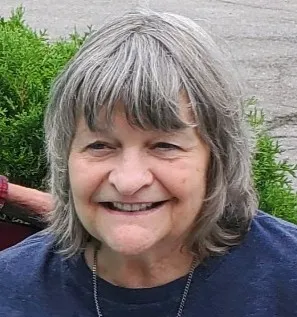
Stock photo posed by models, sourced from Getty Images.
When cancer occurs in your family, it is natural to wonder what that could mean for you and your relatives. Learning which relatives had cancer, what types they had, and their ages at diagnosis can help you ask informed questions about your own risk.
Most cancers are not inherited. About 5%–10% of cancer cases are associated with a genetic change (or variant) that is passed down by a biological parent. Even when someone inherits a cancer-related variant, they may never develop cancer. An inherited variant can increase risk, but it does not mean cancer will definitely occur.
As Barbara shares in her story, below, having family conversations, genetic testing, ongoing screening, and support can shape a person’s approach to cancer risk and care. Barbara's choices reflect her own family history, test results, diagnoses, values, and conversations with her healthcare team. Other previvors and survivors may make different choices.
Barbara’s story is one example — not a roadmap for everyone.
I was so blessed to have a family who talked with me about early detection.
BarbaraCancer survivor
Barbara’s Story
Cancer runs in my family. My mother had breast cancer and lung cancer. Two of my aunts died from breast cancer — one aunt on my mother's side and an aunt on my father's side. I also have relatives who are cancer survivors.
Because of my family history, my sister and my niece encouraged me to have a BRCA2 gene test done. I tested positive for the BRCA2 gene mutation.* After that, I scheduled regular Pap smears and mammograms every 6 months.
In 2021, my doctors discovered cancer in my uterus. I had a complete hysterectomy. I was 66 at the time.
Then, in late 2022, they found a mass in my left breast. They did a biopsy, and it was malignant. I decided to have a double mastectomy, and I chose not to have reconstruction surgery. To ease my husband’s worries, I told him that my cancer center had excellent doctors. Our youngest daughter, my two sisters, and one of my nieces came from out of state to be with me and help me out for several weeks.
I was so blessed to have a family who talked with me about early detection. Through my cancer center team and my family’s experiences with cancer, I felt informed from the beginning.
Today I am 70 years old and still going. I think screening for early detection, eating healthy, and exercising are among the best things we can do when it comes to cancer prevention. Since my cancer diagnosis, I have learned to appreciate my family and the simple things in life more.
Editor's Note: If a BRCA genetic test is positive, it means you have a change (or mutation) in a BRCA gene. BRCA gene mutations can increase your risk of developing certain cancers, like breast or ovarian cancer. Not every person who has a BRCA mutation will develop cancer.
What You Can Do
A healthcare professional or genetic counselor can help you review your personal and family history, understand whether genetic testing may be appropriate, and interpret what the results could mean for you and your relatives.
If you have an inherited variant, a family history of cancer, or another factor that increases your risk of developing cancer, you may identify as a previvor. Previvors can manage their cancer risk in different ways, including through lifestyle changes, enhanced screening, and surgery.
Risk-management choices are personal and can differ by cancer type. Depending on your individual risk, a care plan may include earlier or more frequent screening, lifestyle changes, medicines, or risk-reducing surgery.
Keep these tips in mind:
Know your family history. Record the types of cancer in your family and the ages at diagnosis. Share updates with relatives when appropriate.
Ask about genetic counseling. A genetic counselor can help you consider the benefits, limits, and possible implications of testing before you decide.
Build a personalized plan. Cancer previvors and people at increased risk for other cancers should work with qualified healthcare professionals to choose options that fit their specific risk and preferences.
Revisit your plan over time. Recommendations may change as your health, family history, and medical guidance evolve. Emotional support can also be an important part of living with increased risk.
We Are Here to Help You
Have more questions about genetic testing and hereditary cancer?