
My Father Was Caring for My Mother. Who Was Caring for Him?

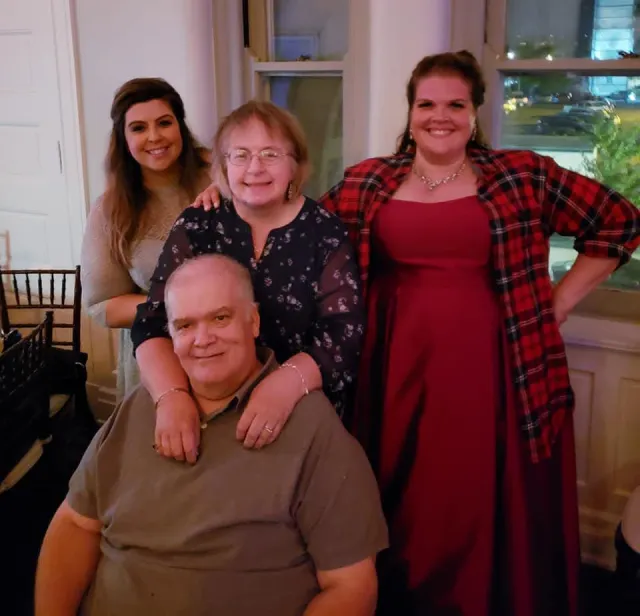
Sonnia with her father, Rodney, in 2024.
Cancer Support Community continues to be a beacon of hope for me and my family, providing us with the strength to move forward while honoring my wife’s memory.
By Sonnia Richards
With contributions from Gretchen Ramstetter
Sonnia, a staff member at Cancer Support Community Greater Cincinnati-Northern Kentucky (CSC GC-NKY), reflects on her father’s experience as a caregiver, the conversations and connections he never had, and why creating space for men facing cancer matters.
When my mother was diagnosed with ovarian cancer in 2018, our family quickly learned that cancer affects far more than the person receiving treatment. My father became a caregiver overnight, navigating medical appointments, difficult conversations, and the emotional weight of watching someone he loved face cancer.
Like many men, my father focused on taking care of everyone else and rarely talked about his own fears, stress, and uncertainty. Looking back, I often wonder how much easier that journey might have felt if he had been surrounded by other men who understood what he was experiencing.
Years later, through my work at CSC, I’ve watched other men in similar caregiving roles find the relief and understanding my father didn’t have — simply by talking with peers who “get it.” Those conversations have shown me just how much difference it can make when men are given safe, welcoming spaces to show up as they are. That includes men who are navigating a personal diagnosis, survivorship, or loss and grief.
My father recalls the overwhelming grief he experienced when my mother passed away:
“I wasn’t sure where to turn," he says. "That’s when I decided to participate in the programs at Cancer Support Community, and I am so grateful I did. I was welcomed with open arms and found a compassionate space where I could share my feelings without judgment. What touched me most was how inclusive and supportive the community is. Not just for those living with cancer, but also for bereaved individuals like me who are navigating life after loss.”
Cancer can be deeply isolating. While everyone’s cancer experience is unique, one pattern continues to stand out: Compared to women, men are less likely to seek support, whether they are facing a new diagnosis, life after treatment, or a caregiving role for a loved one with cancer.
The reasons are complex, but familiar:
- Cultural expectations to “be strong”
- Discomfort with vulnerability
- A tendency to push through until stress becomes overwhelming
“When men do connect with support, the impact extends far beyond the individual," says my colleague Caitlin Drouillard-Ahlrichs, LMSW, our Program Manager at CSC GC-NKY. "It strengthens families. It eases tension. It opens the door to better communication and shared understanding during an incredibly uncertain time. Partners feel it. Children feel it. Caregivers feel it."
Find Your Location
For readers outside the Cincinnati-Northern Kentucky area, check our network-wide location finder to see if there's a CSC or Gilda’s Club near you.
At CSC GC-NKY, these questions have shaped the way we think about support for men. Over time, our staff has been creating new spaces where connection feels natural and men can show up as they are. That includes Men’s Morning Miles walking club, Guys in the Kitchen cooking classes, and a Prostate Cancer Group.
Our Prostate Cancer Group brings men together twice a month to talk honestly about treatment, side effects, and everyday life with prostate cancer. The second monthly group meeting welcomes spouses and partners. These gatherings make room for couples to learn together and talk through communication, decision-making, and life after treatment.
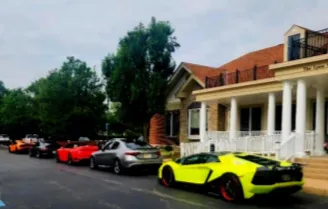
One newest gathering Dudes, Drives, and Donuts grew out of that same idea. Created in partnership with Steve West, Director of DadQuest Adventures, the event offers men a relaxed way to spend time together and talk, if and when they want to, with others whose lives have also been shaped by cancer.
Dudes, Drives, and Donuts isn’t a typical support group. There are cars, coffee, and donuts, but also room to swap stories and spend time alongside other men facing cancer. As Steve puts it, “Some of the best conversations happen side by side, whether that is around a table or standing next to an amazing car.”
In that kind of setting, connection can happen at its own pace.
Cancer support looks different for everyone, but connection remains essential. Whether through a support group, a walking club, a trusted friend, or a gathering like Dudes, Drives, and Donuts, men benefit from having spaces where they can be themselves and know they are not alone.
Sometimes support begins with a conversation. Other times, it begins with coffee and donuts. However it begins, taking that first step can make all the difference. It did for my dad. “Through CSC’s programs, I have found comfort, connection, and hope,” he says. “Each interaction reminds me that I am not alone and that healing, while not always easy, is possible.”
Join Our Men’s Health Forum
Share a question, idea, or concern, or offer your support to other men facing cancer.
Contact Our Helpline
We can help you connect to men’s support programs & other personalized cancer resources.