

Eating healthy is important during cancer treatment. It is also important after treatment has ended, as you navigate survivorship. Cancer treatment can cause eating problems that may be challenging for both the patient and the caregiver. These problems often continue after treatment has ended. The good news is that a healthy diet can help, whether you are receiving treatment or have completed all your treatments.
Cancer can be overwhelming. There are so many questions and concerns that can come up. It is important to talk to your care team about these questions, including those about diet and nutrition.
Learn tips to maintain a healthy diet, wherever you are in your cancer experience:
Treatment
Find tips to cope with eating problems and other challenges during treatment.

Survivorship
Explore strategies to create a healthy lifestyle plan after treatment has ended.

Prevention
Learn how a healthy, balanced diet can help lower the risk of developing cancer.


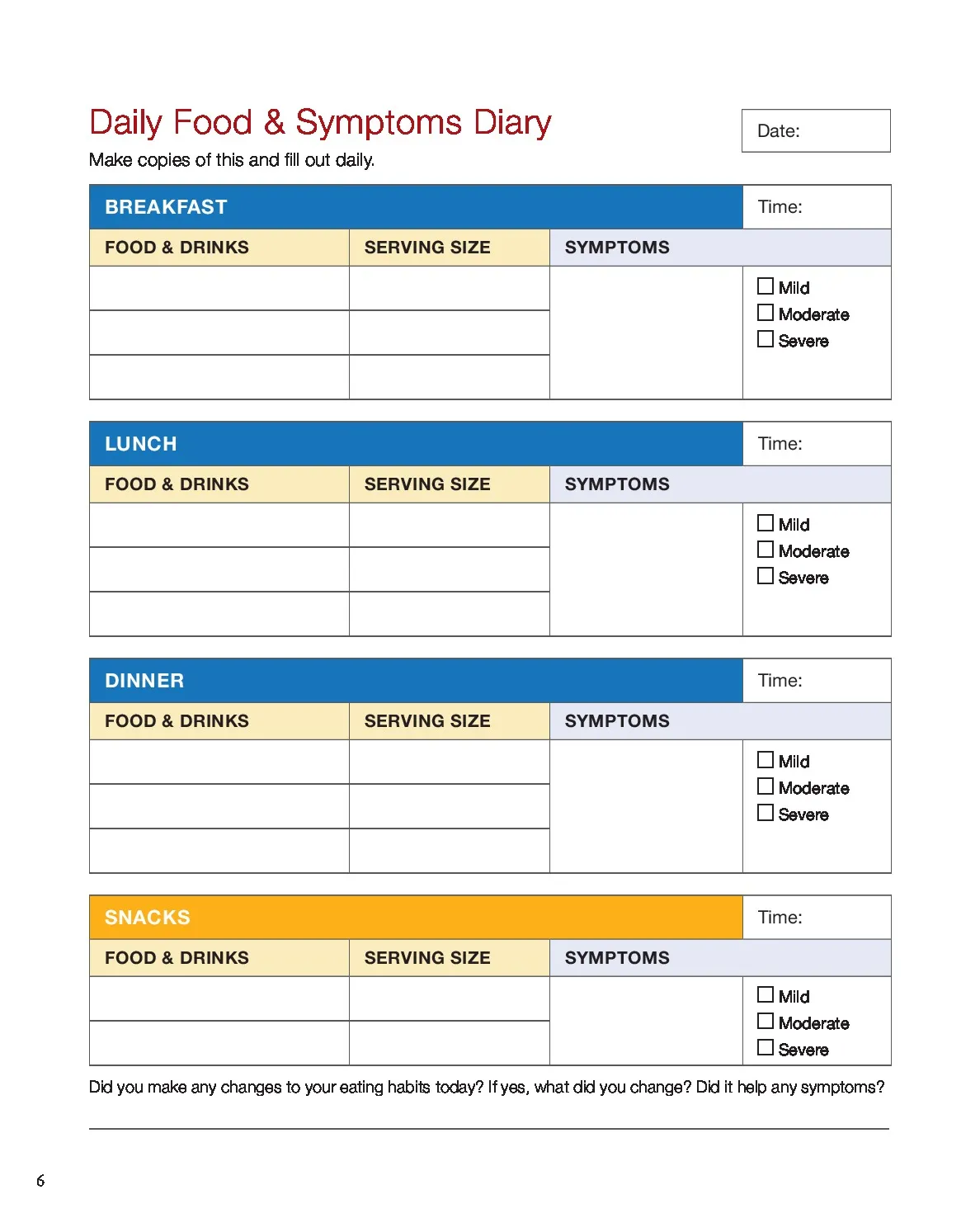
Keep a Food & Symptom Journal
You can be an active partner with your care team, during and after treatment. Keep a daily journal to track what you eat and your side effects. Share it with your care team often, so they can address and manage any issues.
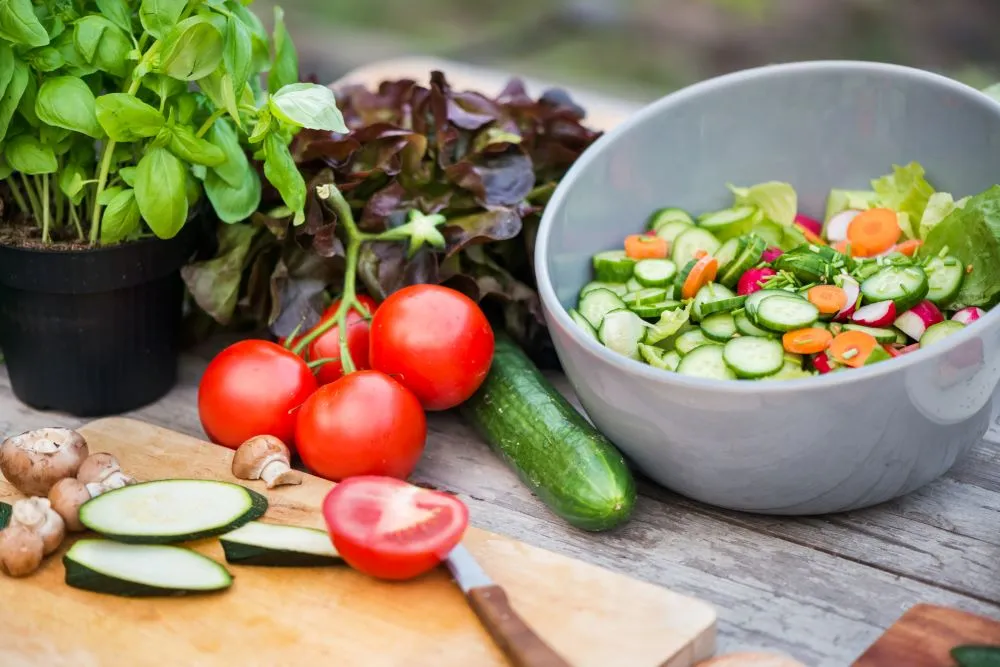
Diet & Nutrition During Treatment
Eating problems like nausea or decreased appetite are common during cancer treatment. These problems can make it hard to feel well and eat healthy. Eating healthy can:
- Help with side effects
- Help you maintain body weight and muscle mass
- Give you more energy
- Prevent delays or breaks in treatment and hospital stays
- Improve how well you respond to treatment and how well treatment works
Remember, eating healthy may look different during treatment. Some days you may need higher-calorie foods, softer textures, or quick snacks. Some days you may be able to tolerate traditional healthy foods (salads, vegetables) more easily. Your nutrition preferences and needs may change day to day and that’s OK.
Your Immune System
Your immune system may be more vulnerable during and even long after treatment. These 3 simple steps reduce the risk of infection and keep you safe:
- Protect yourself by practicing good dental hygiene, cooking foods thoroughly, and washing your hands often.
- Keep up with your dental visits, and consider rinsing with a non-alcoholic mouthwash to maintain your oral health.
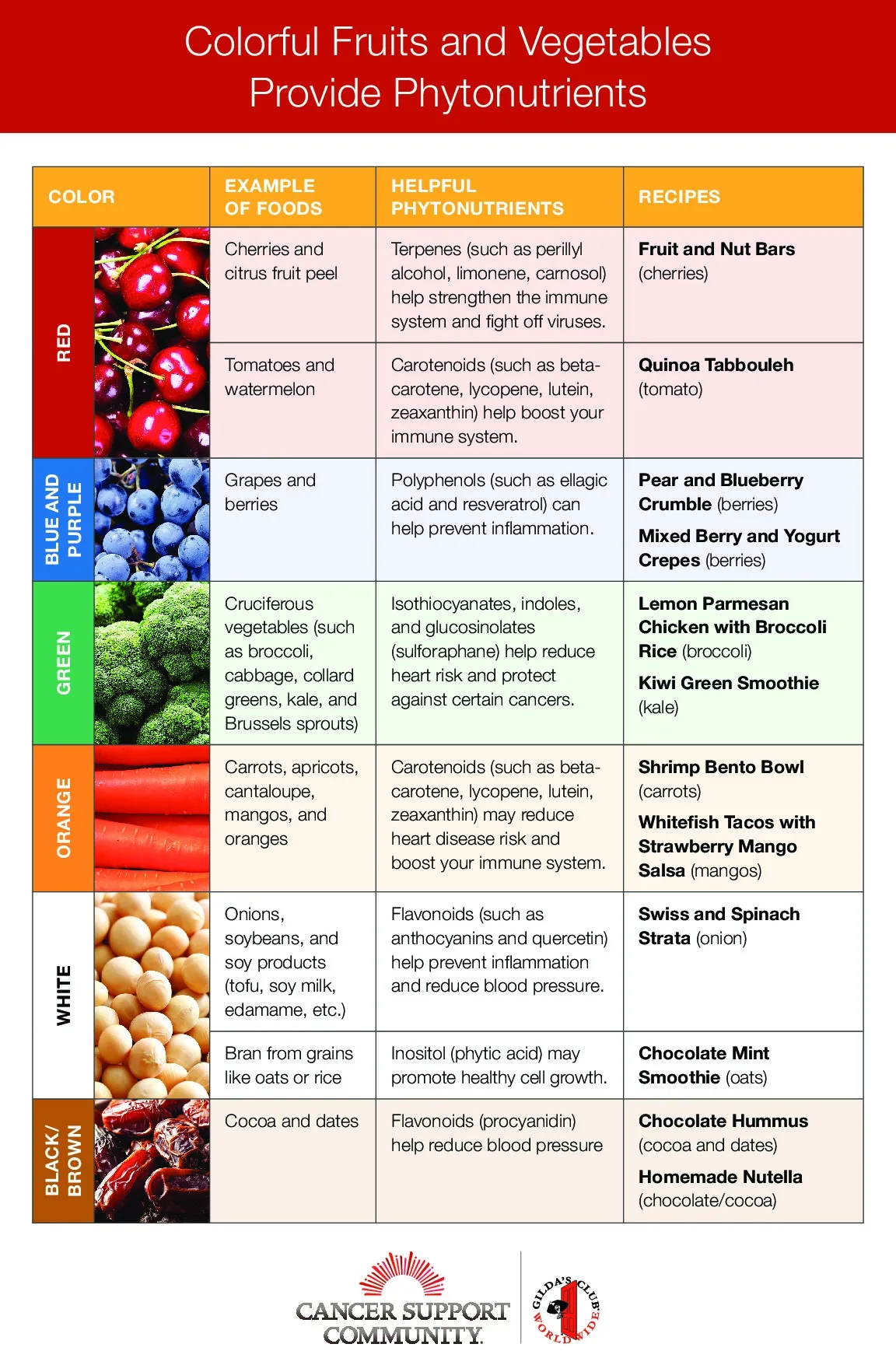
- Eat enough calories, colorful fruits and vegetables, healthy fats, and protein (including beans, legumes, nuts, and seeds). This gives your body the building blocks it needs to maintain healthy blood counts and support a stronger immune system.
Importance of Hydration
Hydration is extremely important during and after treatment. It supports kidney function, digestion, and how well you tolerate treatment. Staying hydrated can also help with side effects. Your thirst senses may not work as well during treatment, so pay extra attention to how much liquid you’re drinking. Water, juices, broths, and electrolyte drinks help maintain balance and prevent dehydration.
If drinking water/liquids is difficult, try hydrating foods like watermelon, cucumbers, smoothies, or ice pops. This is especially important if you’re experiencing fatigue, dry skin, diarrhea, constipation, or vomiting. Carry a water bottle and set phone reminders to sip throughout the day. If plain water doesn’t sound appealing to you, try adding fruit slices or herbal tea for flavor.
Role of Your Care Team
There are many members of the care team who can support you and your loved ones with nutrition during and after treatment. It is important to seek out nutrition support early on. Care team members can provide ways to address side effects or logistical tips while preparing or planning meals.
A registered dietitian (RD or RDN) is an expert on diet and nutrition. An RD who has the letters CSO after their name is a board-certified specialist in oncology nutrition. They have demonstrated experience and skills in helping cancer patients eat healthy and manage eating problems.
It is important for cancer patients to see an oncology dietitian to make a plan for a healthy diet. Meeting with them on a regular basis helps you cope with eating problems as they occur. If there is not a CSO available where you are receiving treatment, ask for an RD with oncology experience.
Depending on your cancer diagnosis, there are other members of your care team that can support your nutrition and overall wellness. Understand the roles of each member on a cancer care team.
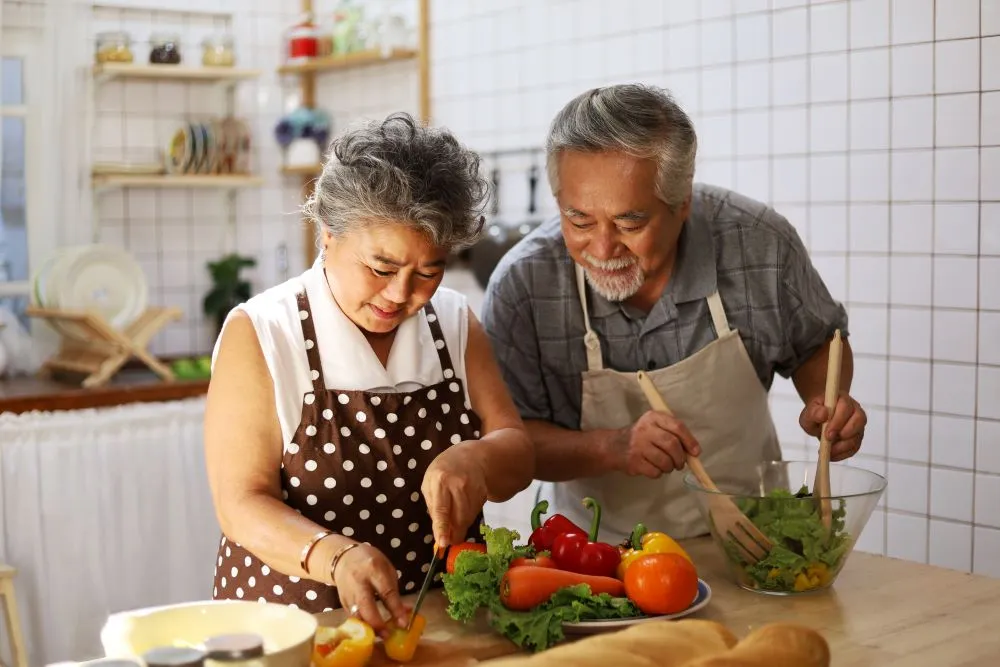
A Note About Your Caregiver's Role
Caregivers and care partners can play an important role in supporting their loved one after a cancer diagnosis. This includes supporting their nutrition. Caregivers may prepare meals or shop for groceries.
When seeking support from an RD, consider bringing your caregiver, partner, friend, or loved one with you. Knowing what foods can help your side effects and keep you healthy will make your caregiver feel more prepared to support you.

Explore Recipes
Discover healthy recipes and cooking videos specifically created to support the nutritional needs of people impacted by cancer.
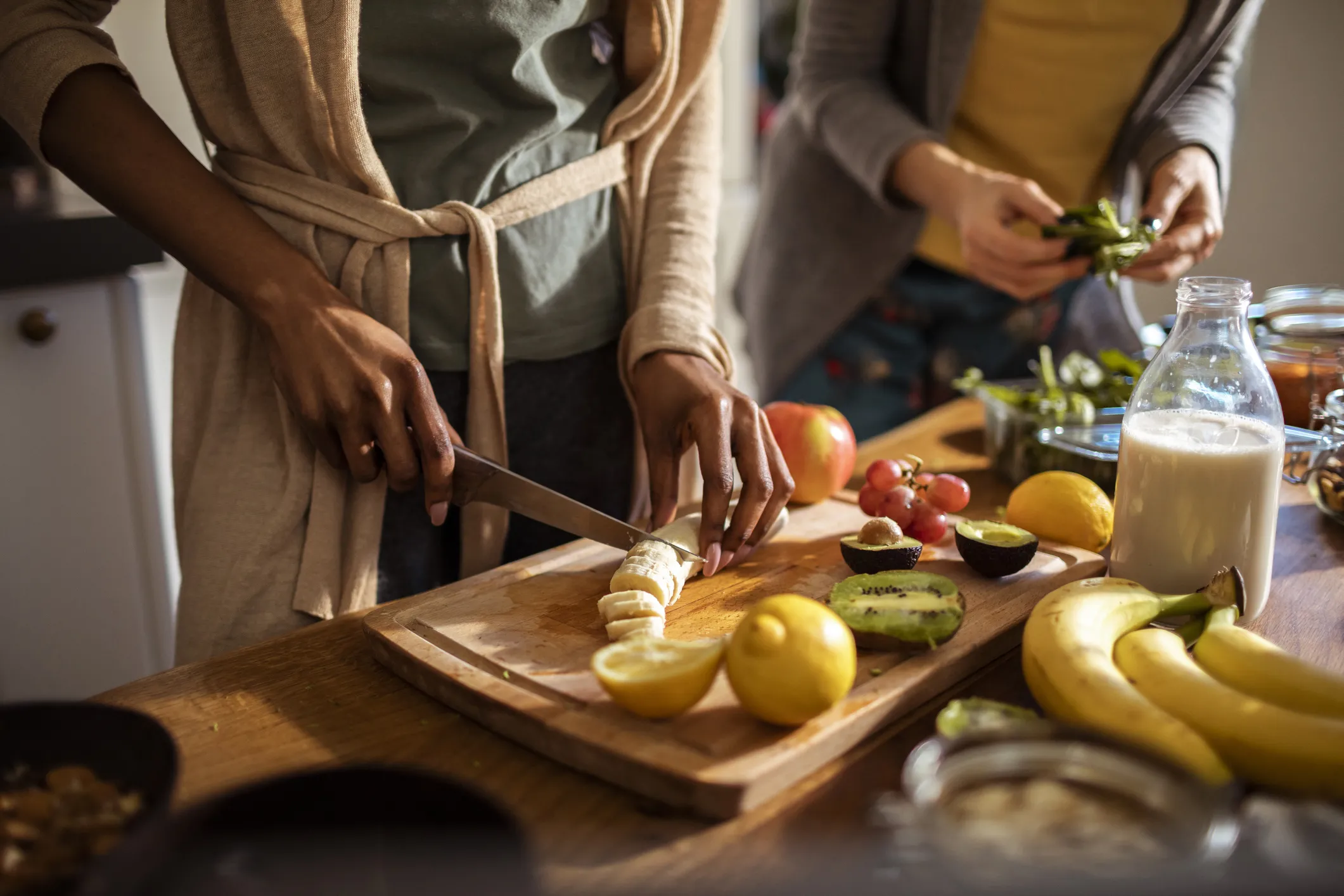
Diet & Nutrition for Cancer Survivors
People often finish cancer treatment and ask themselves the question "Now what?"
After many months of different treatments and appointments, it is time to take charge of the next phase of your journey. You may also feel different now that you have more time to focus on your well-being. While exciting, this can also cause a mix of emotions. The good news is nutrition can help you to take control of your health. Good nutrition is a key part of your care beyond treatment.
Personalized 24/7 Nutrition Guidance
Cancer Support Community partnered with Savor Health to provide free access to InaⓇ ,the world’s first and only clinically validated digital dietitian. InaⓇ delivers nutrition guidance 24/7 “on demand” via a text message and at the time and place patients and caregivers need expert support.
InaⓇ provides highly personalized, evidence-based nutrition support to help people with diet-related chronic conditions (such as cancer, heart disease, and kidney disease) manage their health. Users can receive customized recipes, foods to eat and avoid, symptom management support, and answers to their nutrition questions that are based on clinical evidence, guidelines, and the experience of medical professionals. Register for free to get started.

Eating Healthy for Cancer Prevention
A healthy diet is an important part of a healthy lifestyle. You should prioritize a diet filled with fruits and vegetables. When possible, try to include whole grains and beans in your daily diet. A diet high in processed meat may increase your likelihood of developing cancer. Some examples of processed meats include sausages, bacon, ham, and hot dogs.
Work with your doctor or an RD to create a nutritious, well-rounded diet to help reduce your risk of developing cancer.
Learn More: Cancer Prevention & Screening
Understand the role of routine cancer screenings and self-exams in cancer prevention and early detection.
Connect With Others
Exchange healthy eating tips with others like you on our Nutrition & Wellness discussion forum.
Visit Our Mind Body Studio
Find guided yoga & meditation videos designed to support people impacted by cancer.
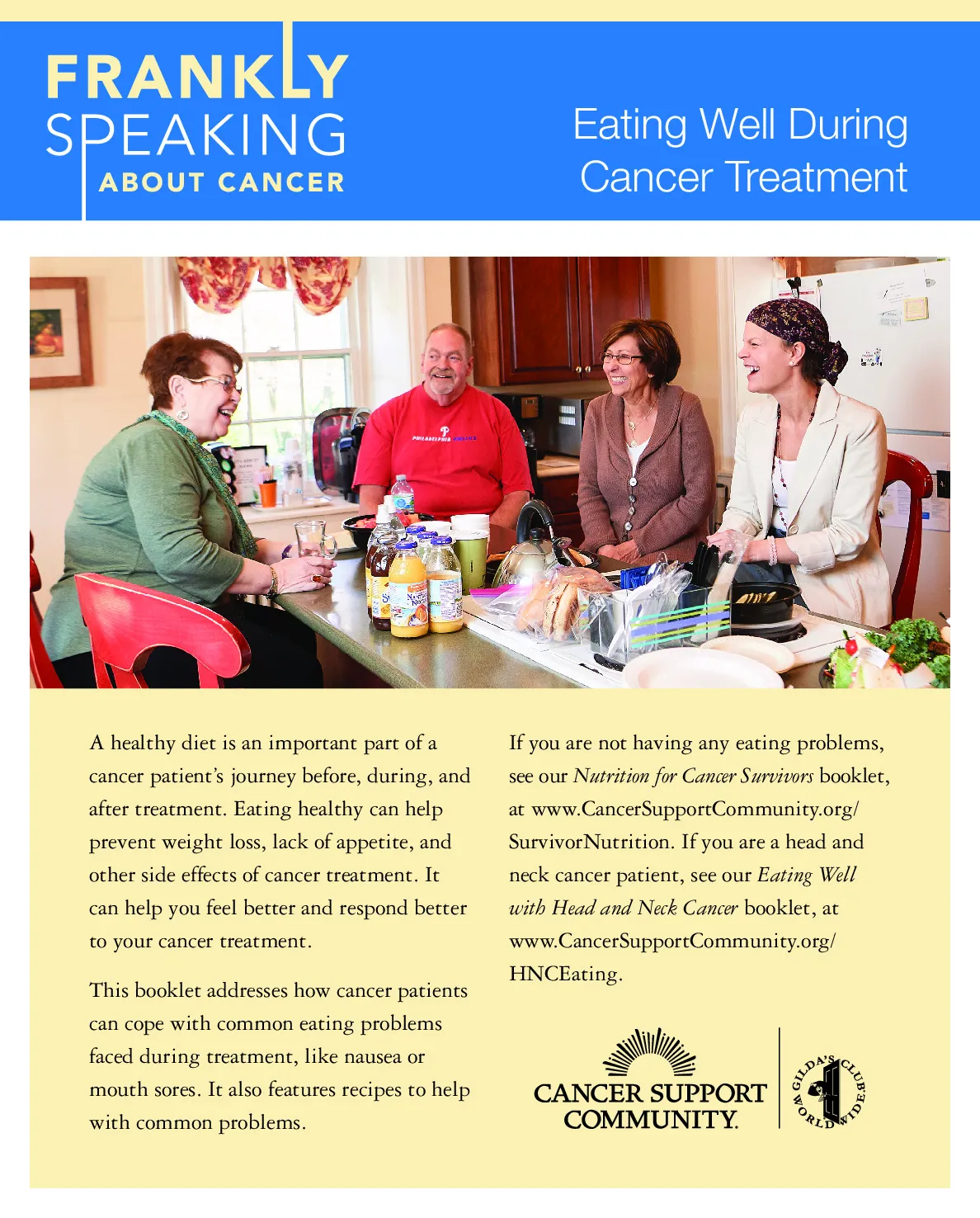
Would you like a print copy of these educational materials?
We can mail our Frankly Speaking About Cancer pieces to you. Shipping is free for up to 20 pounds.