

Cancer Support Community's Blog
Read real stories from people in CSC's community who understand what you are facing and want you to know you're not alone.
Our blog covers a wide range of topics to help support, inspire, and inform members of our community, including those who have been personally impacted by cancer. Use the search filters below to find blog posts on topics that are important to you, from wellness tips, advocacy & policy news, and cancer research findings to stories and insights shared by patients, survivors, and caregivers.

Read
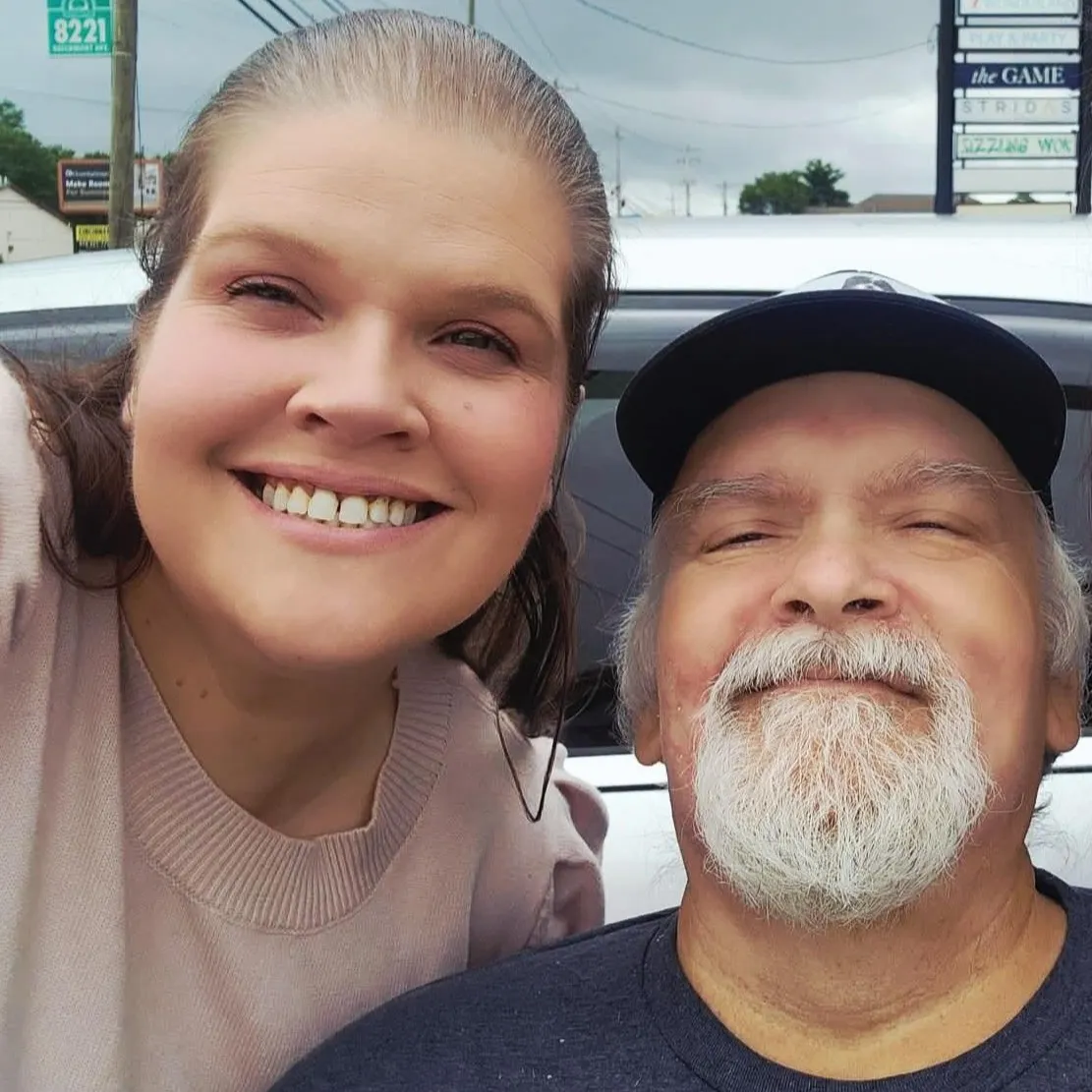
My Father Was Caring for My Mother. Who Was Caring for Him?
Sonnia reflects on her father’s caregiving experience and why creating space for men facing cancer matters.
Read
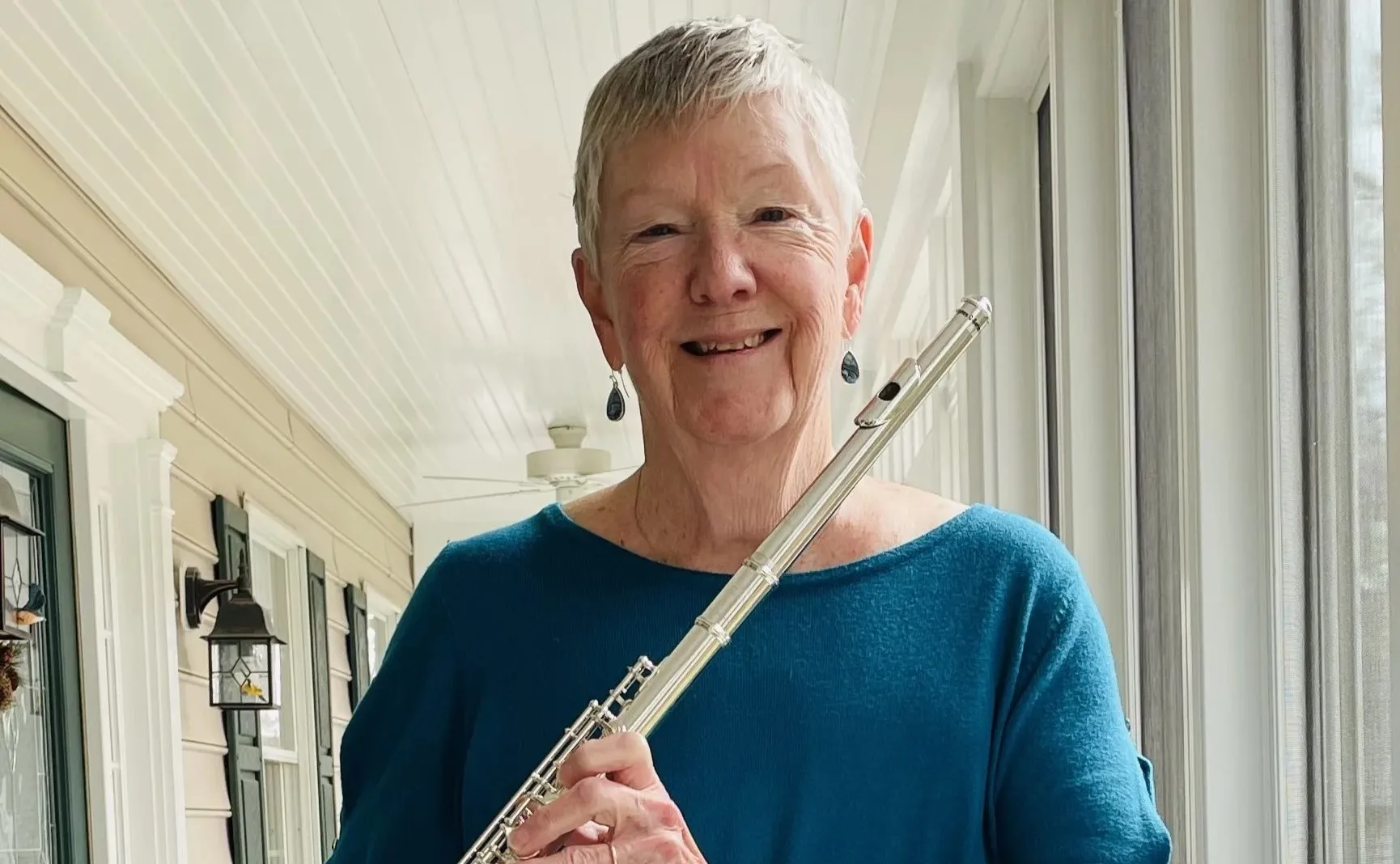
No Regrets: Living Fully After Breast Cancer & Mastectomy
Discover inspiration in this breast cancer survivorship story by Lyn, who reflects on the treatment choices she made as...

Doctor Priorities vs. Patient Priorities: How to Strike a Balance
A doctor's No. 1 priority is treating their patient's illness or disease. But for some patients, their No. 1 priority might not be their disease. So, what happens when your priorities and your doctor's priorities don't align? Keep reading for tips on striking a balance that works for you.

10 Coping Strategies to Improve Your Quality of Life
There is no right way or wrong way to cope with cancer, but there are actions you can take to help you gain control during your cancer journey. We share 10 steps you can take to cope with your diagnosis and improve your quality of life while navigating treatment and survivorship.

Worried About Cancer Costs? We Offer Free Financial Navigation & Support
Cancer treatment costs and other financial stressors can weigh heavy on cancer patients and their families. Many people are not sure where to turn for guidance. Our Cancer Support Helpline offers free financial navigation for people impacted by cancer. Read our blog to learn how our Financial Navigators can help ease your distress about cancer costs.

HIV and Cancer: One Man Shares His Experience Navigating Both Diagnoses
Tony, a longtime community advocate and activist, shares insights on the importance of self-advocacy as a patient and facing – and defeating – stigma.

Not Just a Cost-Containment Tool: Utilization Management Should Benefit Patients
Learn how utilization management practices can negatively impact patients when used as a cost-containment tool and what you can do to raise awareness.

Coping With Triple Negative Breast Cancer? 3 Areas Where You May Need Extra Support
Findings from our cancer experience survey show that people with triple negative breast cancer can face significant distress due to financial toxicity and challenging symptoms and side effects. Keep reading for 3 key takeaways to know if you or a loved one is facing a TNBC diagnosis, and resources that can help.

How One Woman Navigated a Mesothelioma Diagnosis and Found Her New Normal
Just a few months after giving birth to her first child, Tamron learned she had peritoneal mesothelioma. Tamron’s love for her infant son gave her hope. Read her story.

Stomach Cancer: Let’s Talk Risk Factors, Treatment, and Support
Stomach cancer is much less common and much more treatable today thanks to improvements in public health, screening, and treatments. In recognition of Stomach Cancer Awareness Month, we share key things to know about the disease, including treatment options and support to help you navigate a stomach cancer diagnosis.

Lung Cancer Awareness: Let’s Talk Risk Factors, Survivorship, and Support
In the United States, lung cancer is the second most common cancer in both men and women. Read on as we share key things to know about the disease in recognition of Lung Cancer Awareness Month, including resources and support to help you navigate a lung cancer diagnosis.

Lessons Learned: The Importance of Self-care When Caregiving
In 2007, Kelly unexpectedly became a caregiver when her husband, Justin, was diagnosed with terminal brain cancer. "At 27 years old and having been married for only 3 months, I felt completely unequipped to take on the title of caregiver," she writes. "I was just getting used to being a 'Mrs.' and signing a new last name. Life was supposed to just be beginning for Justin and me." Keep reading to learn more about Kelly's story and some vital lessons she learned that are important for every caregiver to know.