
Leukemia
Table of Contents
Leukemia is cancer of the blood cells. It forms in tissue such as bone marrow and causes blood cells to be produced and enter the bloodstream. It usually starts in white blood cells, which are strong infection fighters. The blood cells grow and divide abnormally, producing large numbers of white blood cells that do not function properly.
People who are exposed to high levels of radiation and the chemical benzene are more likely to get certain types of leukemia, as are smokers, people who have had chemotherapy and people with certain inherited diseases and blood disorders.
Leukemia Types
The types of leukemia are grouped based on how quickly the disease develops. Leukemia is either chronic or acute.
- Chronic - This type develops slowly. Symptoms do not appear right away. Diagnosis may be made at a regular check-up or through a blood test. Early in the disease, the leukemia cells can still do some of the normal work of white blood cells. As the number of leukemia cells increases, symptoms such as swollen lymph nodes or infections start to appear. Symptoms are mild at first but slowly get worse.
- Acute - This type usually gets worse quickly. The leukemia cells can't do the work of normal white blood cells, and the number of leukemia cells increases rapidly.
Leukemia can also be grouped by the type of white blood cell that is affected. Leukemia that affects lymphoid cells is called lymphoid, lymphocytic or lymphoblastic leukemia.
Leukemia that affects myeloid cells is called myeloid, myelogenous or myeloblastic leukemia.
One form of leukemia, called hairy cell leukemia, is a rare type of chronic leukemia.
Four Common Types of Leukemia
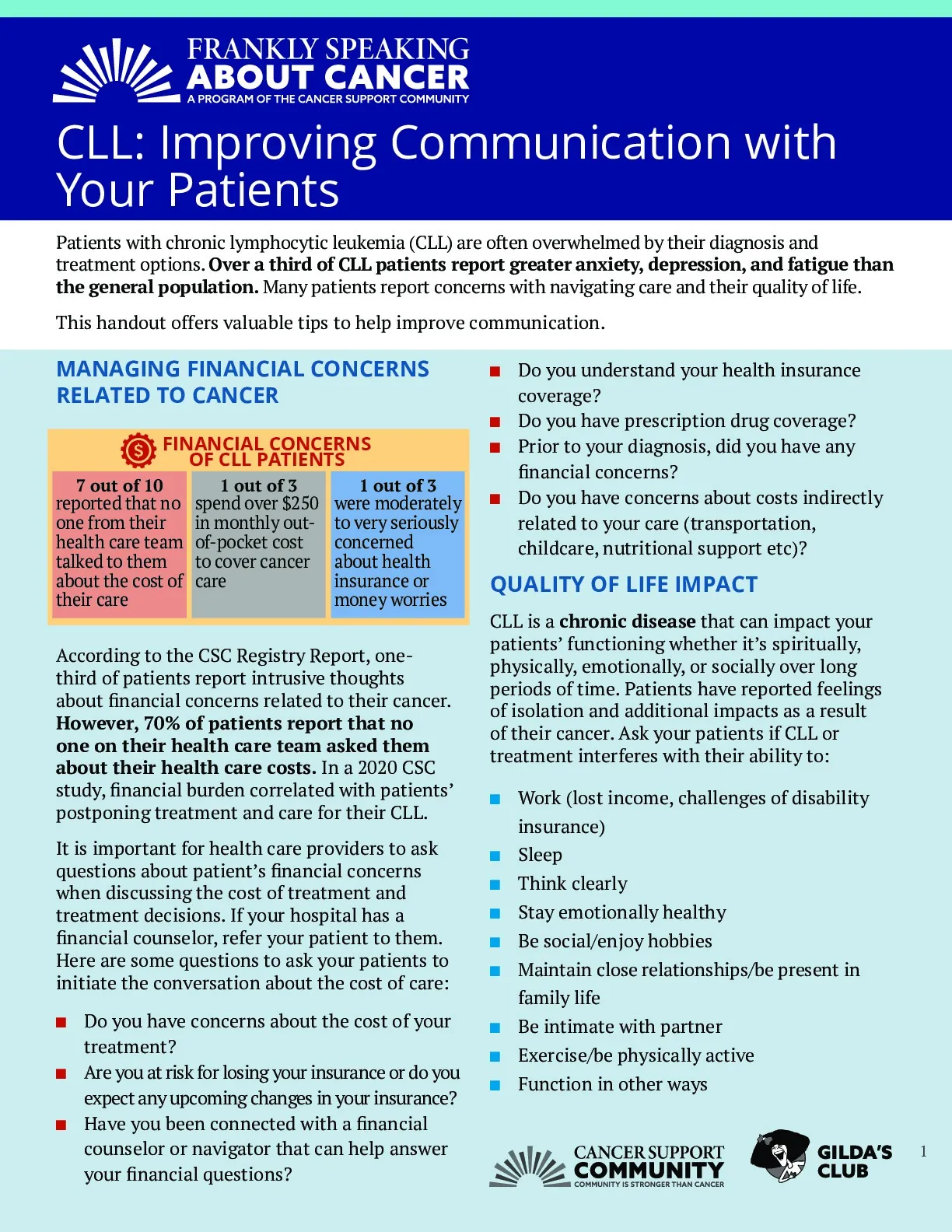
- Chronic Lymphocytic Leukemia (CLL)
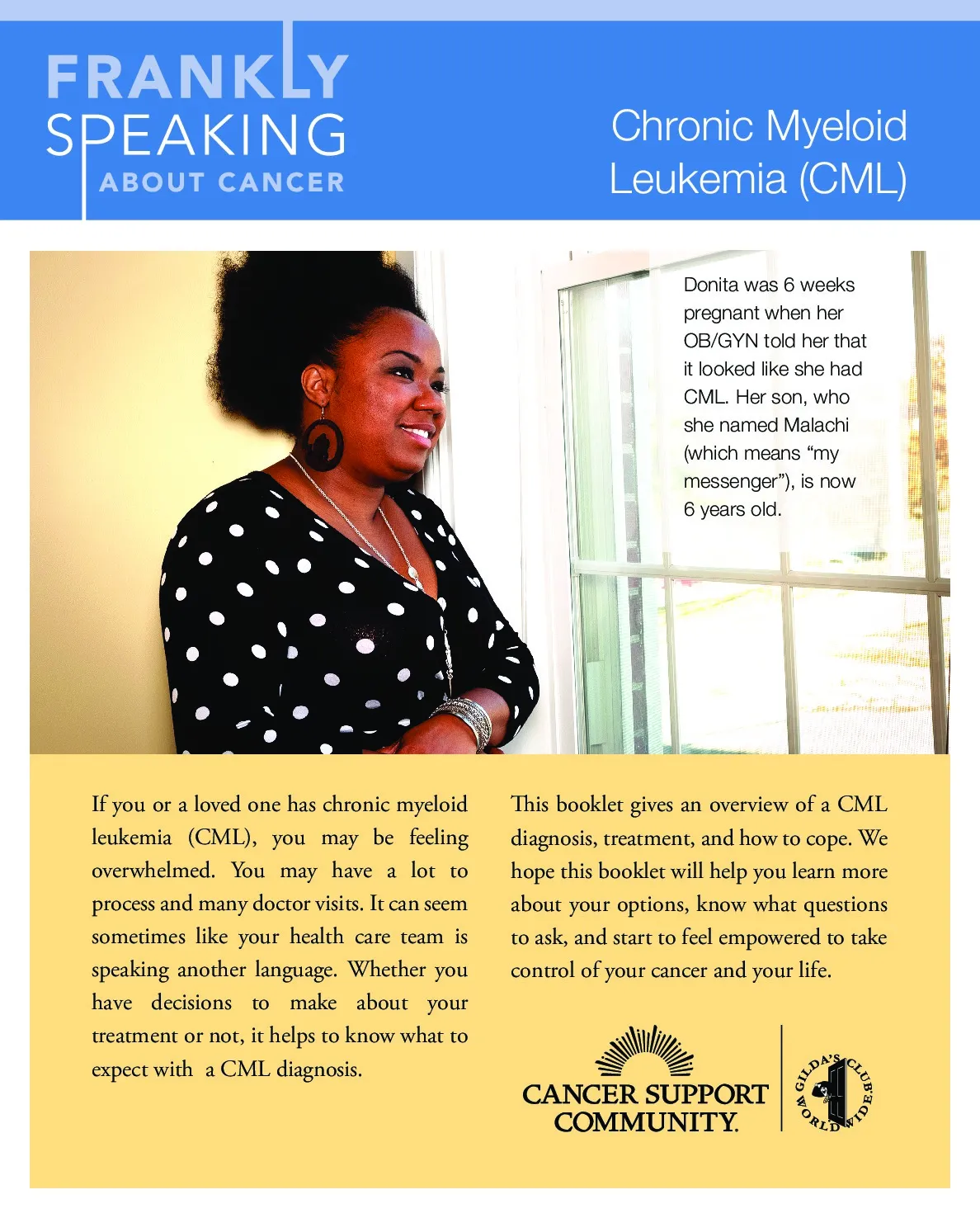
- Chronic Myeloid Leukemia (CML)
- Acute Lymphocytic (lymphoblastic) Leukemia (ALL)
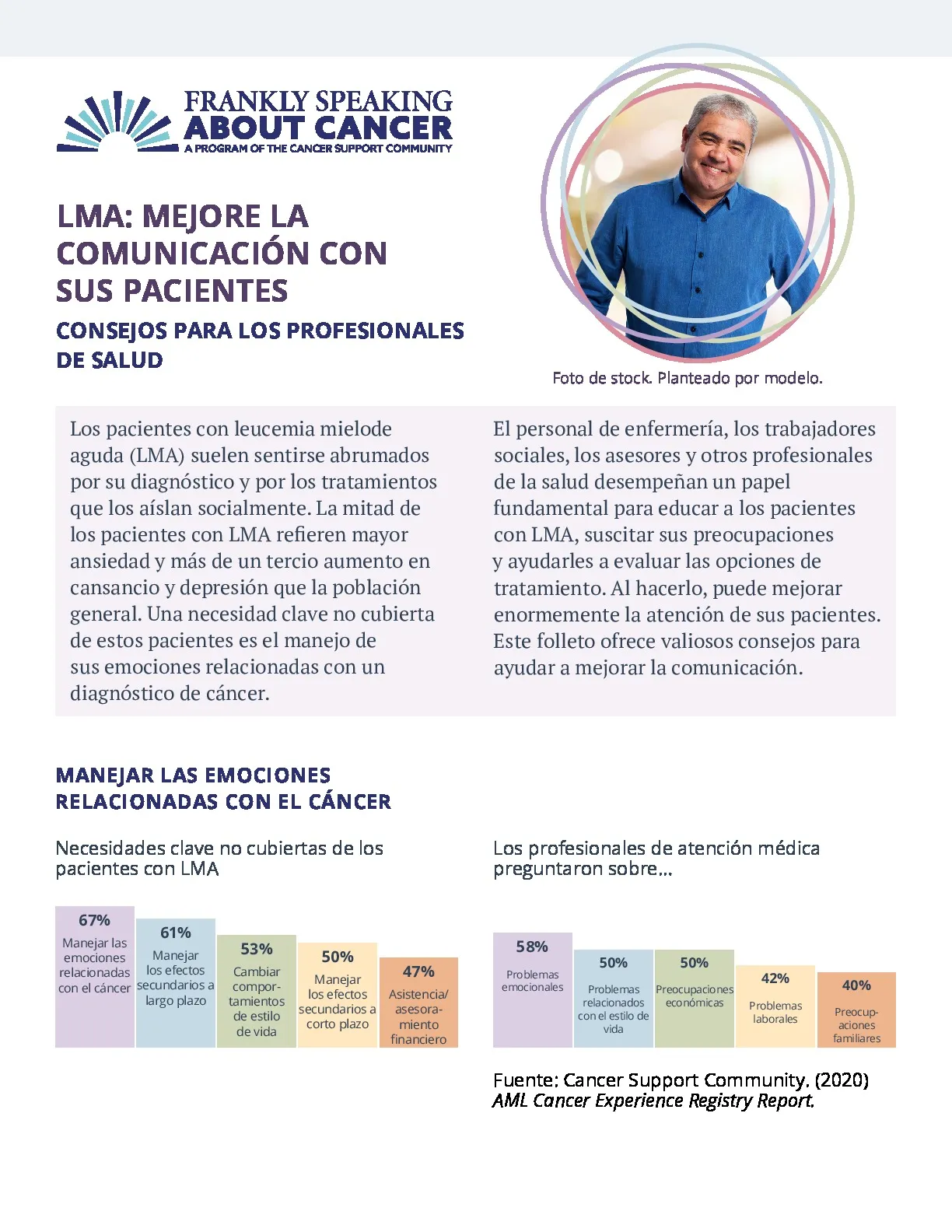
- Acute Myeloid Leukemia (AML)
CLL affects lymphoid cells and grows slowly. Most often, this is diagnosed in people over the age of 55 and rarely affects children.
CML affects myeloid cells and tends to grow slowly at first. It mainly affects adults.
ALL affects lymphoid cells and usually grows quickly. This is the most common leukemia found in children, but it also affects adults.
AML affects myeloid cells and grows quickly. It occurs in both children and adults.

Risk Factors, Signs and Symptoms
Risk Factors
Research is improving our understanding of leukemia and its causes. It is important to speak with your doctor if you have any of these common risk factors:
Chemical Exposure - Exposure to benzene at the workplace has been shown to increase the chance of developing acute myeloid leukemia.
Chemotherapy - People treated with certain types of cancer-fighting drugs may develop Acute Myeloid Leukemia.
Down Syndrome and Myelodysplastic Syndrome - People with Down Syndrome or Myelodysplastic Syndrome have a higher risk of developing acute leukemia.
Human T-Cell Leukemia Virus Type I (HTLV-1) - People with HTLV-I infection are at increased risk of a rare type of leukemia known as adult T-cell leukemia.
Smoking - Smoking increases the risk of acute myeloid leukemia.
Radiation - People exposed to high levels of radiation are more likely to develop a form of acute leukemia. Exposure to radiation therapy to treat other forms of cancer and diagnostic x-rays (such as dental and others) put people at risk.
Signs and Symptoms
Common symptoms of chronic or acute leukemia may include:
- Bleeding easily
- Feeling weak or tired
- Fevers or night sweats
- Frequent infections
- Pain in the bones or joints
- Purplish patches in the skin or tiny red spots under the skin
- Swelling or discomfort in the abdomen
- Swollen lymph nodes
- Weight loss
Diagnosis
Once you learn the results of the tests or procedures, you will be able to work with your health care team to make thoughtful decisions about your care. One or more of the following procedures may be used to diagnose leukemia:
Physical Exam - The doctor feels for swelling in the lymph nodes, spleen or liver.
Blood Test - A complete blood count is taken to check the number of white blood cells, red blood cells and platelets. Leukemia causes a very high level of white blood cells. It can also cause low levels of platelets and hemogloblin, which is found in red blood cells. Find information on normal results for Complete Blood Count (CBC) tests.
Biopsy - A pathologist looks at a sample of bone marrow under a microscope to check for leukemia cells. Bone marrow may be taken from the hipbone or another large bone. The doctor may obtain bone marrow in the following two ways; both procedures are sometimes done in the same visit. Local anesthesia is used.
Bone Marrow Aspiration: The doctor removes samples of bone marrow with a thick, hollow needle.
Bone Marrow Biopsy: The doctor removes a small piece of bone and a bone marrow sample with a thick, hollow needle.
Cytogenetics - A lab looks at the chromosomes of cells from samples of bone marrow, blood or lymph nodes. The test can show what type of leukemia is present ifs abnormal chromosomes are found.
Spinal Tap - A doctor uses a long, thin needle to remove cerebrospinal fluid from the lower spine. A lab then checks the fluid for leukemia cells or other signs of problems.
Chest X-ray - An x-ray of the chest can show swollen lymph nodes or other signs of disease.
Treatment and Side Effects Management
Treatment for leukemia depends on the type of leukemia, the person’s age and general health and whether leukemia was found in the cerebrospinal fluid. Acute leukemia usually needs to be treated right away but often can be cured. Chronic leukemia with no symptoms may not need immediate treatment. Chronic leukemia is seldom cured with chemotherapy, but stem cell transplants offer some a chance for a cure.
It helps to learn more about the side effects of treatment(s) before you begin, so you will know what to expect. When you know more, you can work with your health care team to manage your quality of life during and after treatment.
There are effective medications to address traditional side effects from cancer treatment such as nausea, diarrhea, constipation and mouth sores. Newer targeted therapies tend to leave people with fewer traditional side effects.
Keep in mind that everyone reacts differently to treatment and experiences side effects differently. There are coping mechanisms and strategies that can help.
Side Effects from Leukemia Treatments
Chemotherapy has different side effects depending on the type and dose of drugs given and the length of time they are taken. Side effects can include hair loss, mouth sores, loss of appetite, nausea and vomiting, diarrhea, increased chance of infections (due to low white blood cell counts), easy bruising or bleeding (due to low blood platelet counts) and fatigue (due to low red blood cell counts).
Side effects may include swelling, bloating, sudden weight gain, anemia, nausea, vomiting, diarrhea, muscle craps or rashes.
Side effects differ with the types of substances used and from person to person. Common side effects include rash or swelling at injection site, headache, muscle aches, fever or weakness.
Side effects of external radiation therapy may include skin changes, nausea and vomiting, diarrhea, fatigue, painful sores in the mouth and throat and dry mouth or thick saliva. Most side effects of radiation are temporary, but some rare serious side effects can be permanent.
Side effects of stem cell transplants include infections and bleeding due to the large doses of chemotherapy or radiation and other side effects of those treatments. Stem cell transplants from donated stem cells can lead to Graft-Versus-Host Disease (GVHD), a disease in which the donated white blood cells in the stem cell graft react against the normal tissues. This most often affects the liver, skin or digestive tract. GVHD can be mild or severe, and can occur at the time of transplant or years later.
CAR T Cell Therapy Podcasts

New Advances in Cancer Immunotherapy

CAR T Cell Therapy - A Spark of Hope
Frankly Speaking About Cancer Library
Library






Would you like a print copy of these educational materials?
We can mail our Frankly Speaking About Cancer pieces to you. Shipping is free for up to 20 pounds.